
 Wine Peeps is an independent wine blog dedicated to helping you get the most bang for your buck in wine. We do this through blind tastings of wine from around the world and calculations of
Wine Tasting Dinner: Red Willow Vineyard Red Wines
By Kori ~ March 13th, 2013
 Red Willow Vineyard is one of the top vineyards in Washington State. Located in the northwest corner of the Yakima Valley near Wapato, Washington, Red Willow is a fourth-generation family farm, owned and operated by Mike Sauer and his family. Red Willow has one of the oldest Cabernet Sauvignon blocks in the state, planted in 1973, and the first Syrah block in the state, planted in 1986. The iconic Monsignor Chapel sits atop Red Willow and gives the vineyard a distinct identity.
Red Willow Vineyard has had a longstanding relationship with Columbia Winery, formerly known as Associated Vintners, which dates back to 1978. For almost 30 years, Columbia Winery sourced Red Willow fruit almost exclusively. However, in 2005, Columbia started giving up some of their blocks, which allowed other notable Washington producers the opportunity to source this prized fruit. While Columbia is still one of their largest customers, this diversification is allowing the true potential and value of the vineyard to be realized. In recent years, we have been closely watching the releases of Red Willow wines from some of our favorite wineries including Betz Family Winery, Owen Roe, Adams Bench, and Fall Line, as well as newer wineries like Avennia and Eight Bells. While Red Willow’s place in the history of the Washington wine industry is already well established, it is exciting to see the Red Willow name on more bottles through these new partnerships.
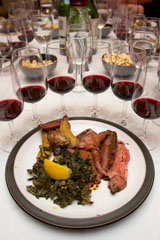
Last Friday evening, we featured red wines from Red Willow Vineyard in our wine tasting dinner. To experience the breadth of wines from this world-class vineyard, we tasted one red blend, two Cabernet Sauvignons, and three Syrahs. All six wines paired beautifully with our dinner of tomato basil soup, mixed green salad with candied walnuts, dried cranberries, and gorgonzola cheese tossed with a raspberry vinaigrette dressing, roasted beef tenderloin with a beef demi-glace, braised kale, pan roasted fingerling potatoes seasoned with herbs de Provence, and German chocolate dessert.
The consensus favorite of the evening was the 2009 Adams Bench Red Willow Vineyard Cabernet Sauvignon, followed closely by the 2010 Mark Ryan Lost Soul Syrah. For more information about Red Willow Vineyard, you might enjoy reading an article that I wrote for the Fall 2009 issue of Washington Tasting Room magazine.
Red Blend:
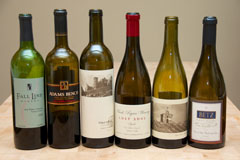 2009 Fall Line Winery Red Willow Vineyard Red Blend (Yakima Valley, Washington): 64% Merlot, 21% Cabernet Sauvignon, and 15% Cabernet Franc. Deep, dark red. Gorgeous nose with black plum, black cherry, licorice, smoke, and clove aromas. Red and black fruit, smoke, spice, and dark chocolate come through on the palate. Medium to full-bodied with crisp acidity and chewy tannins. Well-balanced and smooth with a long, lingering finish.
Quality: 4 stars (out of 5)
QPR: 4 bangs for your buck (out of 5)
Where to buy: Winery, $30; Available elsewhere, $30
Cabernet Sauvignon:
2009 Adams Bench Red Willow Vineyard Cabernet Sauvignon (Red Willow Vineyard, Yakima Valley, Washington): 100% Cabernet Sauvignon. Dark, dense purple. Gorgeous nose with blackcurrant, blackberry, leather, and molasses aromas. Blackberry jam, leather, and a touch of tobacco come through on the palate. Full-bodied with crisp acidity and high, dry tannins. Big and bold yet well-balanced and smooth with a luscious mouthfeel and a very long, lingering finish.
Quality: 4.5 stars (out of 5)
QPR: 5 bangs for your buck (out of 5)
Where to buy: Winery, $60
2009 Owen Roe 1973 Block Red Willow Vineyard Cabernet Sauvignon (Red Willow Vineyard, Yakima Valley, Washington): Dark purple in color. Red fruit and leather come through on both the nose and palate. Medium to full-bodied with lively acidity, medium tannins, and a long finish.
Quality: 3.5 stars (out of 5)
QPR: 2 bangs for your buck (out of 5)
Where to buy: Winery, $72; Available elsewhere, $60 to $75
Syrah:
2010 Mark Ryan Lost Soul Syrah (Red Willow Vineyard, Yakima Valley, Washington): Dark purple. Beautiful nose with blackberry, black cherry, and smoked meat aromas. More smoked meat, bacon, black fruit, and warm spices come through on the palate. Full-bodied with crisp acidity, and medium to high, dry tannins. Well-balanced and smooth with a very long finish.
Quality: 4.5 stars (out of 5)
QPR: 5 bangs for your buck (out of 5)
Where to buy: Full Pull Wines (Seattle Washington), $45; Available elsewhere, $44
2010 Owen Roe Chapel Block Syrah (Red Willow Vineyard, Yakima Valley, Washington): Deep, dark purplish red. Aromatic with red and black fruit and cinnamon on both the nose and palate. Medium to full-bodied with lively acidity and sweet tannins. Well-balanced and smooth with a long finish.
Quality: 4 stars (out of 5)
QPR: 2 bangs for your buck (out of 5)
Where to buy: Winery, $55; Available elsewhere, $35 to $62
2010 Betz Family Winery La Côte Patriarche Syrah (Red Willow Vineyard, Yakima Valley, Washington): Deep, dark purplish red. Distinct nose with earth, black fruit, and brine. Earth, black fruit, spice, and black pepper come through on the palate. Full-bodied with lively acidity, medium to high, dry tannins, and a very long finish.
Quality: 3.5 stars (out of 5)
QPR: 1 bang for your buck (out of 5)
Where to buy: Winery, $55
Filed under: American Wine, Cabernet Sauvignon, Five-Bangs For Your Buck Wines, Food & Wine, Red Wine, Shiraz/Syrah, Vineyards, Washington State Wine, Wine Tasting Dinners, Wines Over $25


 Sweet and sour pork is a popular dish and one that easily lends itself to a
 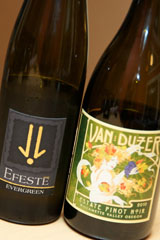 2011 Efeste Evergreen Riesling (Evergreen Vineyard, Columbia Valley, Washington): Pale to medium yellow. Very aromatic with citrus fruit, especially orange, and banana on the nose. More orange as well as white peach comes through on the palate. Slightly off-dry and light to medium-bodied with very crisp acidity. Well-balanced with a very long, refreshing finish.
 This year’s Open That Bottle Night was last Saturday, February 23. Open That Bottle Night, created by former Wall Street Journal wine columnists Dorothy Gaiter and John Brecher, is the one night a year that we are all encouraged to get out that bottle of wine that is so special that no special occasion seems special enough to actually open it. That’s exactly what LaGayle and I did when we sat down for dinner and opened a bottle of 1999 Henschke Hill of Grace Shiraz from the Eden Valley in the Barossa region of South Australia that I had been saving for just such an occasion.
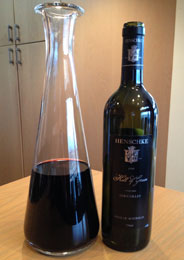 1999 Henschke Hill of Grace (Eden Valley, Australia): 100% Shiraz. Deep, inky purple. Brilliant with very little dilution in color on the rim despite the fact that it is 14 years old. Earth tones, spice, fruit, vanilla, and some floral notes on the nose. Medium to full-bodied with good concentration. Lots of black pepper, black fruits, some red berries, and smoked meat come through on the palate. Not as overtly tannic or as alcoholic (14% ABV) as most big wines. Very smooth. Tastes much younger than a 14 year old wine. Extremely well-balanced with a long finish.
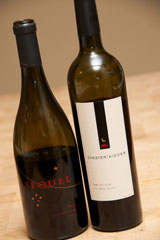 Founded by Washington wine pioneer Allen Shoup,
 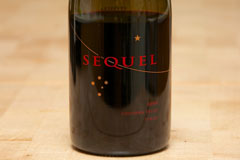 2009 Sequel Syrah (Columbia Valley, Washington): 99% Syrah and 1% Cabernet Sauvignon. Dark, dense purple. Gorgeous nose with spice, oak, and black fruit aromas. Blackberry, black pepper, and spice come through on the palate. Full-bodied with crisp acidity and medium to high, smooth tannins. Well-balanced with good complexity and a long, lingering finish.
 Over the past few months, I have highlighted some of the people and places I encountered on my media trip to Chile in October. Chile is a long, narrow country that runs 2,600 miles along the southwestern coast of South America between the Pacific Ocean and the Andes Mountains. But don’t let its geography fool you, there is more climatic and soil diversity found east to west than from north to south. Spanish settlers first planted wine grapes in Chile around 1550. While Chile has a long wine history, I believe that it is just now coming into its own as a world-class wine region. Chile is producing some excellent wines, has wonderful welcoming people, and is a beautiful area to boot. It truly is a special place.
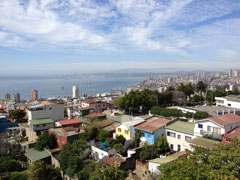 And, finally, here are a few tidbits about Chilean wine and culture that were shared with me by some of the Chilean winemakers I met:
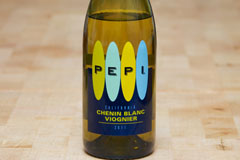 Would you like a quick suggestion for a good wine to drink tonight (or this weekend) that won’t break your budget and is widely available? If so, you might want to check out the 2011 Pepi Chenin Blanc-Viognier from California.
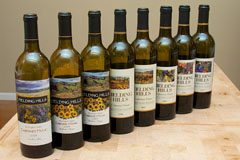 For those of you who are not familiar with a vertical tasting, it is a tasting in which you taste different vintages of the same wine from the same winery. We were
 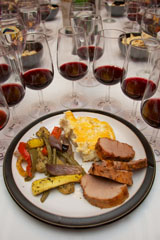 This tasting was fabulous! Once again, we were amazed at the consistency of quality in these wines. They paired extremely well with Mom’s dinner of tomato basil soup, mixed green salad with apples, caramelized leeks and maple Dijon dressing, roasted pork tenderloin with southwestern and peppercorn seasonings, baked mashed potatoes, roasted vegetables, and non-fried ice cream garnished with fresh raspberries and drizzled with chocolate raspberry balsamic vinegar for dessert.
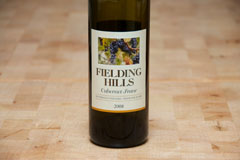 2008 Fielding Hills Cabernet Franc (Riverbend Vineyard, Wahluke Slope, Washington): 88% Cabernet Franc, 6% Syrah, 4% Merlot, 2% Cabernet Sauvignon. Deep, dark red in color. Gorgeous nose with red and black fruit, spice, floral, and a touch of bell pepper aromas. Luscious black cherry, spice box, and herbal notes come through on the palate. Full-bodied with crisp acidity and high, dry tannins. Extremely well-balanced and smooth with good complexity and a very long, lingering finish. Still the best Cabernet Franc I’ve ever had. Wow!
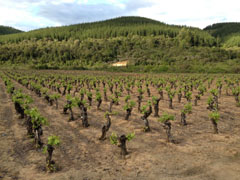 During
 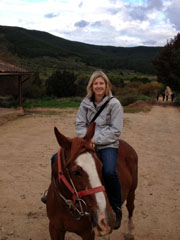 Emile Bouchon, a native of Bordeaux, France, settled in Chile in 1892 with the dream of producing wines in the New World. In 1977, the Bouchon family acquired the Santa Maria de Mingre estate in the Maule Valley, built new facilities, planted vineyards, and modernized their winemaking practices. They began exporting their wines in the 1990’s. Today, Julio Bouchon Sepúlveda and his children continue the family tradition and are committed to producing quality wines from the Maule Valley.
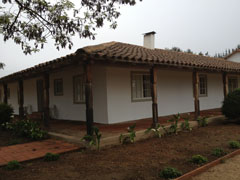 Currently, J. Bouchon produces about 150,000 cases per year. They are planning to plant more vines next year. Julio said that he could ultimately see J. Bouchon producing and selling 500,000 cases annually while maintaining the quality for which they are known.
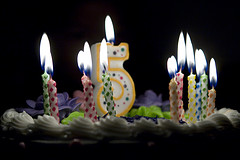 Today marks five years since we started sharing our wine adventures with you here on Wine Peeps. What an exciting five years it has been! We have written 1,179 posts and tasted over 5,500 wines. We have had the pleasure to meet so many wonderful people in the wine industry as well as fellow wine enthusiasts. This past year, we traveled to numerous wineries, vineyards, and tasting rooms in Washington, Oregon, Texas, and Chile. In addition to those trips, we welcomed the many other opportunities we had to expand our palates and taste wines from all around the world through our tasting dinners, private tastings, samples tastings, trade tastings, and other events.


