A Wine for Tonight: 2011 Chateau Ste. Michelle Cold Creek Vineyard Riesling


By Kori ~ October 4th, 2012

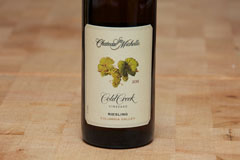
Would you like a quick suggestion for a good wine to drink tonight (or this weekend) that won’t break your budget and is widely available? Many of our readers have said this is something they would like, so here is this week’s selection, the 2011 Chateau Ste. Michelle Cold Creek Vineyard Riesling from the Columbia Valley of Washington State.

Our selection criteria include:

  • A very good Quality rating of >=3.5 stars (out of 5)
  • A price tag of <=$20
  • Must be widely available

Chateau Ste. Michelle is Washington State’s founding winery with its roots dating back to the repeal of Prohibition. In 1976, Ste. Michelle built a French-style chateau in Woodinville, just northeast of Seattle. While all of Chateau Ste. Michelle’s vineyards are located on the east side of the Cascade Mountains, all of their white wines, including this Riesling, are made in Woodinville.

“Our Cold Creek Riesling offers flavors of ripe peach and tropical fruit with a refined elegance. It is a rich style of Riesling, characteristic of our Cold Creek Vineyard, that reveals a crisp and refreshing finish.” –Bob Bertheau, Head Winemaker

2011 Chateau Ste. Michelle Cold Creek Vineyard Riesling (Cold Creek Vineyard, Columbia Valley, Washington): Pale, greenish straw yellow in color. Very aromatic with peach, apricot, and floral notes on the nose. Peach and orange zest come through on the palate. Slightly off-dry and light to medium-bodied with crisp acidity and a long finish. Residual sugar: 2.1%
Quality: 3.5 stars (out of 5)
QPR: 4 bangs for your buck (out of 5)
Where to buy: Received as sample, suggested retail $15; Available elsewhere, $14 to $17


Filed under: A Wine for Tonight, American Wine, Riesling, Washington State Wine, White Wine, Wines Under $15, Wines Under $20, Wines Under $25
 

Highlights and Final Thoughts from the 2012 Wine Bloggers Conference


By Kori ~ October 3rd, 2012

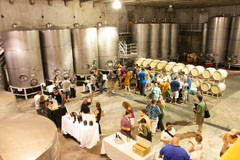
Recently, Dad (John), Colby, and I spent three jam-packed days in Portland, Oregon, for the fifth annual Wine Bloggers Conference. Over 350 fellow wine bloggers, wine industry participants, and media members participated in tastings, keynote addresses, breakout sessions, and visits to local vineyards and wineries. [See the bottom of this post for a recap of the wines we tasted during #WBC12.]

The day before the conference, Colby and I had the pleasure to attend a culinary bus tour hosted by Wines of Chile. We had a fabulous afternoon enjoying Portland’s diverse food options paired with some wonderful Chilean wines. That evening we attended a Welcome Reception hosted by the Oregon Wine Board where we had the opportunity to try a number of Oregon wines.

Things really kicked into high gear on Friday with the official start of the conference and a keynote address by Randall Grahm of Bonny Doon Vineyard. In a departure from previous conferences, the winery visits were held on Friday afternoon and evening rather than on Saturday. These wine country visits are always a highlight of the conference. When we boarded the bus, we did not know where it was going as each bus had a different destination throughout Oregon wine country. Our bus enjoyed a lovely visit to Sokol Blosser Winery in Dundee where we tasted, ate dinner, listened to live music, and took a vineyard tour with representatives from seven Dundee Hills wineries.

This year, we had two Live Wine Blogging segments (Whites & Rosés on Friday and Reds on Saturday) which featured wines poured for us by winery representatives in a fast and furious “speed dating”-like format.

Saturday morning and early afternoon was devoted to breakout sessions on a variety of topics. I won’t bore you with the details, but we found most of the sessions very interesting and informative. We hope to incorporate some of the suggestions and ideas we formulated during these sessions to make Wine Peeps even better. And once again, there was an emphasis on social networking and interacting with our readers. (So if you aren’t already, please follow/like us on Twitter and Facebook.) Rex Pickett, author of Sideways, gave the keynote address on Saturday afternoon. Later that evening, Alan Kropf of Mutineer Magazine presented the 2012 Wine Blog Awards. Congratulations to all of the winners!
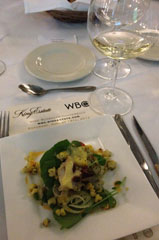
King Estate Winery hosted dinner on Saturday evening. In my opinion, it was the best dinner we’ve had at any of the Wine Bloggers Conferences. They brought their own culinary staff to prepare a delicious five-course meal paired with their wines. For more details about the dinner, including recipes, check out the website they created just for the event.

While I enjoyed all of the keynotes, sessions, events, and tastings, the best part of the conference was getting to meet so many of our fellow wine bloggers in person and see some friends we had made at previous conferences.

Many thanks to Allan Wright of Zephyr Adventures and Joel Vincent of Joel Vincent Productions for organizing this wonderful conference and to all of the sponsors for your support in making it a reality.

We are already looking forward to the 2013 conference in Penticton, British Columbia, Canada!

Here’s a breakdown of the wines that we tasted during #WBC12. Under each Quality heading, the wine name and region are listed along with price and QPR rating. Wines in bold type received a QPR rating of 5 bangs for your buck (out of 5).

Quality: 4.5 stars (out of 5)
2007 Santa Rita Triple C, Maipo Valley, Chile, $40, QPR: 5
2009 Brittan Vineyards Basalt Block Pinot Noir, Willamette Valley, Oregon, $45, QPR: 5
2009 Rodney Strong Alexander’s Crown Cabernet Sauvignon, Alexander Valley, California, $75, QPR: 5

Quality: 4 stars (out of 5)
2009 Decibel Sauvignon Blanc, Hawke’s Bay, New Zealand, $13, QPR: 5
2011 MontGras Quatro, Colchagua Valley, Chile, $14-15, QPR: 5
2010 King Estate Riesling Vin Glacé, Oregon, $15, QPR: 5
2010 Odfjell Orzada Old Vine Carignan, Maule Valley, Chile, $18, QPR: 5
2010 Loma Larga Lomas de Valle Syrah, Casablanca Valley, Chile, $18, QPR: 5
2010 Argyle Eola-Amity Hills Riesling, Willamette Valley, Oregon, $18, QPR: 5
NV Gloria Ferrer Va de Vi, Sonoma County, California, $22, QPR: 5
2011 Miguel Torres Estelado Sparkling Rosé, Maule Valley, Chile, $25, QPR: 5
2009 Cono Sur 20 Barrels Pinot Noir, Casablanca Valley, Chile, $25-30, QPR: 5
2008 Argyle Brut Sparkling Wine, Willamette Valley, Oregon, $27, QPR: 5
2010 Van Duzer Estate Pinot Noir, Willamette Valley, Oregon, $30, QPR: 5
2007 Argyle Knudsen Vineyard Brut, Willamette Valley, Oregon, $50, QPR: 5
2011 Milbrandt Vineyards Ancient Lakes Riesling, Columbia Valley, Washington, $20, QPR: 4
2010 Milbrandt Vineyards Northridge Vineyard Malbec, Wahluke Slope, Washington, $25, QPR: 4
2010 Stoller Reserve Chardonnay, Willamette Valley, Oregon, $28, QPR: 4
2010 Winderlea Dundee Hills Pinot Noir, Willamette Valley, Oregon, $38, QPR: 4
2007 Amity Vineyards Winemaker’s Reserve Pinot Noir, Willamette Valley, Oregon, $40, QPR: 4
2010 Brittan Vineyards Basalt Block Pinot Noir, Willamette Valley, Oregon, $45, QPR: 4
2010 Archery Summit Premier Cuvée Pinot Noir, Willamette Valley, Oregon, $48, QPR: 4
2008 Domaine Drouhin Laurène Pinot Noir, Willamette Valley, Oregon, $65, QPR: 3
2010 Winderlea Legacy Pinot Noir, Dundee Hills, Willamette Valley, Oregon, $75, QPR: 2

Quality: 3.5 stars (out of 5)
2011 PEPI Sauvignon Blanc, California, $9, QPR: 5
2011 NxNW Horse Heaven Hills Riesling, Washington, $12, QPR: 5
2010 Francis Coppola Diamond Collection Claret, California, $17, QPR: 5
2008 Santa Rita Medalla Real Cabernet Sauvignon, Maipo Valley, Chile, $18-20, QPR: 5
2010 Los Boldos Vielles Vignes Merlot, Cachapoal Valley, Chile, $20, QPR: 5
2009 Amity Vineyards Willamette Valley Pinot Noir, Oregon, $22, QPR: 5
2009 NxNW Columbia Valley Cabernet Sauvignon, Washington, $25, QPR: 5
2007 August Cellars Portus Augustus Dessert Wine, Oregon, $25 (375ml), QPR: 5
2011 Los Vascos Sauvignon Blanc, Casablanca Valley, Chile, $12-14, QPR: 4
2009 Argyle Brut Rosé, Willamette Valley, Oregon, $30, QPR: 4
2010 Longhand (Bev Mo Vnyd Partner) Sonoma Coast Pinot Noir, California, $30, QPR: 4
2010 Lange Estate Reserve Pinot Noir, Willamette Valley, Oregon, $32, QPR: 4
NV Sokol Blosser Evolution White Wine, America, $15, QPR: 3
2011 King Estate Signature Pinot Gris, Oregon, $16, QPR: 3
2009 Sokol Blosser Dundee Hills Pinot Noir, Willamette Valley, Oregon, $38, QPR: 3
2010 Argyle Reserve Pinot Noir, Willamette Valley, Oregon, $40, QPR: 3
NV Domaine Chandon Etoile Sparkling Rose, Carneros, California, $50, QPR: 3
2011 Stoller Pinot Noir Rosé, Willamette Valley, Oregon, $20, QPR: 2
2008 Styring Reckless Petit Verdot/Cabernet Sauvignon, Columbia Valley, Oregon, $35, QPR: 2
2010 Winderlea Willamette Valley Chardonnay, Oregon, $36, QPR: 2

Quality: 3 stars (out of 5)
NV Riunite Lambrusco, Emilia IGT, Italy, $6, QPR: 5
2011 Domaine du Tariquet Classic Cotes du Gascogne, France, $9, QPR: 4
NV Hope Family Wines Troublemaker Blend 3, Paso Robles, California, $20, QPR: 4
2009 Amity Vineyards Eco-Wine Organic Pinot Noir, Willamette Valley, Oregon, $22, QPR: 4
2011 Esporao Duas Castas Semillon Viosinho, Portugal, $13, QPR: 3
2010 King Estate Signature Pinot Noir, Oregon, $27, QPR: 3
NV R.Stuart & Co. Brut Rosé d’Or Sparkling Wine, $38, QPR: 3
2011 Recuerdo Wines Torrontes, Argentina, $15, QPR: 2
2010 Cornerstone Cellars Chardonnay, Willamette Valley, Oregon, $30, QPR: 1
2009 Brittan Vineyards Syrah, Oregon, $40, QPR: 1



Filed under: American Wine, Argentine Wine, Cabernet Sauvignon, California Wine, Chardonnay, Chilean Wine, Dessert Wine, Five-Bangs For Your Buck Wines, French Wine, Italian Wine, Lesser Known Varietals, Malbec, Merlot, New Zealand Wine, Oregon Wine, Pinot Grigio/Pinot Gris, Pinot Noir, Portuguese Wine, Red Wine, Riesling, Rose Wine, Sauvignon Blanc, Shiraz/Syrah, Sparkling Wine, Torrontes, Washington State Wine, White Wine, Wine Activities/Events
 

Wine Word of the Week: Aroma


By Kori ~ October 2nd, 2012

This week’s Wine Word of the Week is aroma.

Official definition from Jancis Robinson’s The Oxford Companion to Wine:
Aroma is an imprecise tasting term for a relatively simple smell such as that of a grape, fermenting must, or young wine. Originally from the Greek word meaning ‘spice’, it has evolved so that in generally current English it means ‘pleasant smell’ (as opposed to odors, which may be distinctly nasty). Wine-tasting professionals tend to use the word aroma to distinguish the smells associated with young wines from the more complex aromatic compounds which result from extended bottle age, generally referred to as bouquet.

Layman’s terms from Kori:
While some wine tasting professionals make a distinction between aroma and bouquet as does Ms. Robinson, generally the term aroma simply describes the flavor sensation that comes from sniffing a wine.


Filed under: Wine Word of the Week
 

Women of Oregon Wine: Pat Dudley of Bethel Heights Vineyard


By Kori ~ October 1st, 2012

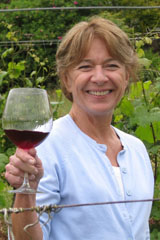
Today’s post is the first in a new series featuring the Women of Oregon Wine. For years, we have run a series featuring the Women of Washington Wine. With this new series, we are expanding to cover even more wonderful women in wine in the Pacific Northwest. In an industry once dominated by men, more and more women are joining the ranks as winery owners, vineyard owners, and winemakers. Being a woman myself, I am fascinated by these women and what they have done and continue to do. Through this series, I hope to introduce you to some of the brightest female faces in the Oregon wine industry.

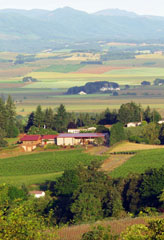
Pat Dudley and her husband Ted Castell along with Ted’s brother Terry and his wife Marilyn Webb established Bethel Heights Vineyard, located in Salem, Oregon, in 1977. For the first 30 years, Ted was responsible for managing the vineyards and Terry was the winemaker. Pat and Marilyn shared responsibilities for the business and marketing aspects of the winery. The Bethel Heights team has now expanded to include members of the second-generation, who grew up at Bethel Heights. Their current annual production is about 13,000 cases, most of which is estate grown.

Recently, Pat was kind enough to take time out of her busy schedule to answer some questions for me and our Wine Peeps readers.

Highlights from Q&A with Pat Dudley:

How did you first get involved in the wine business?
My husband, Ted Casteel, and I learned to enjoy wine while working on PhD research in Europe in the early 70’s. Ted’s twin brother, Terry Casteel, and his wife, Marilyn Webb, were making wine in a garage in Seattle with a group of friends while they were in graduate school at the University of Washington. During shared family vacations, we started fantasizing about getting out of the academic rat race and living in the country, growing grapes, and making wine. We were on the lookout for an opportunity, while learning as much as we could about viticulture and winemaking. By 1977, when we saw an ad for this 75-acre property in the Eola Hills, the four of us together were ready to take the plunge. We moved to the vineyard, built two houses here, and raised our children here along with our grapevines.

What were the steps that led to where you are now?
The fundamental decision we made in the beginning was to make wine from our own grapes. Bethel Heights wine has always been all about the place where we live. We harvested our first crop in 1980, and for many years, we sold most of the fruit to other winemakers. We built a very small winery in 1984 and made our first 3,000 cases of commercial wine that year. We expanded our wine production very gradually as our vineyard matured and as we were able to expand our market. We continued to sell fruit until 1995. In 1999, we purchased the property next door and planted more vineyard, adding 20 more acres to our estate. We currently produce about 13,000 cases a year, and most of it is estate grown.

For the first 30 years, Ted was the vineyard manager, and Terry made the wine, while Marilyn and I shared responsibilities for business management and marketing. The children who grew up here went off in other directions for a while, but in 2005, two of them came back. Terry and Marilyn’s son, Ben Casteel, is now our winemaker, and Ted and my daughter, Mimi Casteel, is now our viticulturist and general manager. Both have a great respect for the vineyard where they grew up, especially the old legacy blocks that are as old as they are. And, both have a determination to take Bethel Heights to the next level, which their parents are finding quite invigorating.

Has being a woman been an advantage or a disadvantage in your wine journey?
I don’t think in my case it has been either an advantage or a disadvantage because our business has always been a family affair, with all four of us really acting as a team and all four of us equally involved in the business and equally active in industry activities. I never actually tried to make my way independently in the wine world; Bethel Heights always gave me a de facto position.

What advice do you have for a woman wanting to get involved in the wine business today?
First, get a good liberal education. There is no substitute for being able to think broadly and deeply and being able to read and write extremely well. This is what gives you the flexibility to take on whatever challenge comes along. Next, try to get some experience in all aspects of the business from production through marketing, no matter where you want to end up. I regret to this day that I did not pay enough attention to winemaking basics in the beginning; I was too exclusively interested in viticulture.

What are your thoughts about the Oregon wine industry, in general?  
At least as far as the Willamette Valley goes, I think it is built on a rock solid foundation:  the perfect match of grape variety to climate. Beyond that, we’ve had the great good fortune to belong to a wonderfully supportive, collaborative community of like-minded people who really do believe that we’re stronger when we act together. It has been the source of our collective success since the beginning, and we are delighted to see it continuing in the second generation.

In recent years the Oregon wine industry has grown at a fairly rapid rate. Do you expect that trend to continue?  
Well, it has slowed down a lot with the recession, not surprisingly. I suppose if the economy ever settles into a more predictable mode again, the industry will start growing again. There is certainly plenty of good potential vineyard land available, but it takes a lot more money to get started now than it did when we started out, and the market for premium Pinot Noir is not as sweet right now as it was in the Sideways moment.  Frankly, I think our entire economy was growing at an unsustainable rate for too many years, so one can only hope we don’t get that overheated again any time soon. It’s time to recalibrate.

In most parts of the wine world, when someone says “Oregon wine”, the first thing that comes to mind is Pinot Noir. Do you think that it has been an advantage or a disadvantage for the Oregon wine industry to be so closely linked to a single variety?  
Absolutely an advantage. Pinot Noir is in a class by itself as far as wine varieties go, and we are lucky enough to be in one of the few places in the entire world where Pinot Noir grows happily. Great Pinot Noir will never be in oversupply.

What do you think will be the “next big thing” in Oregon wine to capture the attention of wine lovers outside the state?  
2010 Pinot Noir! Every new vintage here is the next best thing. Every vintage in the Willamette Valley brings delightful surprises. 2010 was cool and late. The wines are supremely elegant, especially compared to the blockbuster 2009’s.

What is your vision for the future of Bethel Heights Vineyard?
As I mentioned earlier, I am very excited about the second generation taking the helm. I see Bethel Heights continuing to be the “family farm” for our whole extended family, the place everyone comes back to for family reunions for generations to come, with a cellar full of many vintages made by successive generations in this unique place.

Many thanks to Pat for sharing her story and thoughts with us. I wish her, Ted, Terry, Marilyn, and their entire family all the best and will continue to follow their work and Bethel Heights Vineyard with great interest, and I hope that you will too.

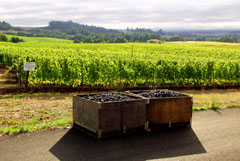
(Photos from Bethel Heights Vineyard)


Filed under: American Wine, Interview, Oregon Wine, Women of Oregon Wine
 

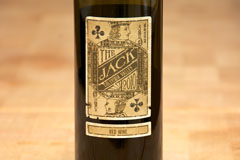
A Wine for Tonight: 2010 Saviah Cellars The Jack Red Wine


By Kori ~ September 27th, 2012

Would you like a quick suggestion for a good wine to drink tonight (or this weekend) that won’t break your budget and is widely available? Many of our readers have said this is something they would like, so here is this week’s selection, the 2010 Saviah Cellars The Jack Red Wine from the Columbia Valley of Washington State.

Our selection criteria include:

  • A very good Quality rating of >=3.5 stars (out of 5)
  • A price tag of <=$20
  • Must be widely available

Saviah Cellars is a family-owned winery located south of downtown Walla Walla, Washington, near the Oregon state line in the Walla Walla Valley AVA. Owner/winemaker Richard Funk and his wife Anita, both natives of Montana, moved to Walla Walla in 1991. Rich became acquainted with a number of the area wineries while working as an Environmental Health Specialist with the Walla Walla County Health Department. Through his work at the Health Department on water quality and wastewater issues, he got a firsthand look at the vineyards in the area and developed a relationship with a number of local winemakers who helped him get his start in the industry. Saviah Cellars was founded in 2000 and currently produces about 9,500 cases per year. The name Saviah is a family name from Anita’s great-grandmother. Saviah Cellars consistently produces high-quality wines. The Jack is a value line in the Saviah portfolio produced with declassified fruit.

“For a great wine at a winning price, The Jack is your best bet. This wine has appealing aromas of black cherries, raspberries, plum and spices with a touch of oak. The Jack is a friendly wine offering a mouthful of juicy fruit flavors that are complemented by fine tannins and a long, smooth finish.” –Owner/winemaker Rich Funk

2010 Saviah Cellars The Jack Red Wine (Columbia Valley, Washington): 88% Merlot, 9% Cabernet Franc, and 3% Cabernet Sauvignon. Deep ruby red in color. Aromatic with cherry, blackberry, plum, oak, and cinnamon stick on both the nose and palate. Medium to full-bodied with lively acidity, medium tannins, and a medium to long finish. Needs some time to breathe, gets better after the bottle has been open for a while.
Quality: 3.5 stars (out of 5)
QPR: 5 bangs for your buck (out of 5)
Where to buy: Fred Meyer (Seattle, Washington), $14.99; Available elsewhere, $13 to $15


Filed under: A Wine for Tonight, American Wine, Five-Bangs For Your Buck Wines, Red Wine, Washington State Wine, Wines Under $15, Wines Under $20, Wines Under $25
 

Thank Goodness Wine is Gluten Free


By Kori ~ September 26th, 2012

“What is gluten, and why do I keep seeing Gluten Free options on restaurant menus and grocery store shelves?” These are just some of the questions you may be asking if you are not among the growing number of people who have been diagnosed with celiac disease or gluten intolerance.

Gluten is the generic name for certain types of proteins contained in wheat, barley, rye, and their derivatives. Gluten intolerance is the result of an immune-mediated response to the ingestion of gluten (from wheat, rye, and barley) that damages the small intestine. Nutrients are then quickly passed through the small intestine, rather than being absorbed. Celiac disease is a chronic, inherited disease, and, if untreated, can ultimately lead to malnutrition. Celiac disease is considered to be the most under-diagnosed common disease today, potentially affecting 1 in every 133 people in the United States.

Strict adherence to a Gluten Free diet for life is the only treatment currently available for celiac disease and gluten intolerance. This involves the elimination of wheat, rye, barley, and derivatives of these grains from the diet. With awareness increasing as more and more people are diagnosed, many restaurants are now offering Gluten Free menus and more Gluten Free products are being produced.

If you are still reading, you may be thinking, “Interesting information, Kori, but why are you writing about this on a wine blog?” Well, the short answer is that I’m someone who has had to recently go on a Gluten Free diet. In fact, three of the four Wine Peeps (John, Colby, and I) must now eat Gluten Free. And believe me, it’s because we have to for our health, not because we’ve decided to try some new fad diet (though there certainly are Gluten Free faddists out there). It can definitely be challenging following a Gluten Free diet, especially when dining out. But I am happy to report that we all feel much better eating this way, so it is worth it.

And, now this brings me to the title of this post: Thank Goodness Wine is Gluten Free. We might not have such a good attitude about this diet if our beloved beverage of choice was now off-limits. Fortunately, all wine is Gluten Free!

As far as alcoholic beverages go, wine and hard liquor are Gluten Free. Distilled products do not contain any harmful gluten peptides. Research indicates that the gluten peptide is too large to carry over in the distillation process, which leaves the resultant liquid Gluten Free. Beers, ales, and lagers that are made from gluten-containing grains are not distilled, and, therefore, are not Gluten Free. However, there are Gluten Free beers available. Many leave much to be desired, but I would be remiss without giving a shout-out to Widmer for their excellent Omission Pale Ale (the first and possibly last beer review you’ll see on this site).

For more information about celiac disease, gluten intolerance, and the Gluten Free diet, visit the websites for the Gluten Intolerance Group and the Celiac Disease Foundation.


Filed under: Food & Wine, General Wine Information, Miscellaneous
 

Wine Word of the Week: Racking


By Kori ~ September 25th, 2012

This week’s Wine Word of the Week is racking.

Official definition from Jancis Robinson’s The Oxford Companion to Wine:
Racking is the wine-making operation of removing clear wine from the settled sediment or lees in the bottom of a container. The verb to rack has been used thus at least since the 14th century.

Racking is usually achieved by pumping or siphoning the wine away from the sediment into an empty container but special large racking tanks are used by some large wineries (and breweries). ….

Racking, or soutirage as it is known in French, forms an important part of the annual cycle of cellar work, or elevage, in the production of most fine wines matured in small barrels. ….

Racking is not only part of the clarification process, it also provides aeration, which, in the case of red wines, is essential to the formation of pigmented tannins and is beneficial to the sensory properties of the wine.

Layman’s terms from Kori:
Racking is the process of moving a wine off its sediment or lees.


Filed under: Wine Word of the Week
 

Oregon’s Dundee Hills AVA


By Kori ~ September 24th, 2012

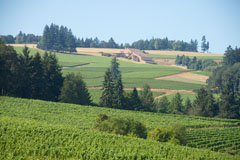
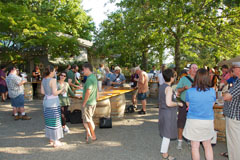
During the recent Wine Bloggers Conference in Portland, Oregon, Dad (John), Colby, and I had the pleasure of spending an afternoon in the Dundee Hills. These wine country visits are always a highlight of the conference. When we boarded the bus, we did not know where it was going as each bus had a different destination throughout Oregon wine country. As we pulled away from the DoubleTree Portland, we learned that we would be spending our afternoon and evening at Sokol Blosser Winery in Dundee.

When we arrived at the winery, representatives from seven Dundee Hills wineries, Archery Summit, Argyle, Domaine Drouhin Oregon, Lange Estate, Sokol Blosser, Stoller, and Winderlea, greeted us. The sun was shining brightly and temperatures were in the 90’s, so our hosts presented us with parasols for shade as we listened to Rollin Soles of Argyle and David Millman of Domaine Drouhin Oregon talk about the Dundee Hills.

A sub-appellation of the Willamette Valley, the Dundee Hills AVA is located 28 miles southwest of Portland and 40 miles inland from the Pacific Ocean. It encompasses 6,490 total acres, with roughly 2,000 of those acres planted to grapes.

While wine grapes have been grown in Oregon since the mid-1800’s, it was not until 1965 when David Lett and his wife Diana planted 3,000 Pinot Noir vines in the Dundee Hills that the Willamette Valley really came into being. David, who passed away in 2008, is affectionately known in Oregon as Papa Pinot. Other early Oregon wine pioneers, Dick Erath of Erath Winery and Bill Blosser and Susan Sokol Blosser of Sokol Blosser Winery, arrived in 1967 and 1971, respectively, and also planted vineyards in the region. The Dundee Hills solidified its place on the world stage when Robert Drouhin of top Burgundy (France) producer Maison Joseph Drouhin purchased land there in 1987. In the years since, the Dundee Hills has continued to establish itself as one of the preeminent winegrowing regions in Oregon. Today, the region is home to 25 wineries and 50 vineyards.

“There is not enough sunshine and heat to ripen Pinot Noir in many places in the Willamette Valley; that’s why most vineyards are found on hills.” –Rollin Soles, founder/winemaker, Argyle Winery

Unique for its higher elevation and warmer nighttime temperatures, the Dundee Hills region is well-known for its red clay-loam Jory soils, designated as Oregon’s State Soil in 2011, that were deposited by ancient lava flows.

“We make wines that are juicy-centered, gorgeous, and elegant. The Dundee Hills make beautiful, graceful wines.” –Rollin Soles, founder/winemaker, Argyle Winery

After their talk, we were escorted to the Sokol Blosser cellar for a tasting. We were able to taste at our own pace and visit with winemakers.

Archery Summit
Archery Summit, located in Dayton, Oregon, sources fruit exclusively from their estate vineyards. Founded in 1993, Archery Summit is Oregon’s first 100 percent gravity-flow winery. Carved out of the hillside beneath the winery, their underground aging caves are modeled on the subterranean cellars of the Côte d’Or. Winemaker Anna Matzinger is involved with every step in the process, from vineyard to blending, to produce the best wines possible.

2010 Archery Summit Premier Cuvée Pinot Noir (Willamette Valley, Oregon): This proprietary blend is a combination of fruit from their five distinctive vineyard estates: Arcus Estate, Red Hills Estate, Renegade Ridge Estate and Archery Summit Estate in the Dundee Hills AVA, and Looney Vineyard located in the Ribbon Ridge AVA.
Quality: 4 stars (out of 5)
QPR: 4 bangs for your buck (out of 5)
Price: $48

Argyle Winery
In 1987, Rollin Soles and Brian Croser staked their claim in Oregon’s Willamette Valley and established Argyle Winery. Located in an old restored home in Dundee, Argyle is one of the most well-respected wineries in Oregon, producing world-class sparkling wine, Pinot Noir, and Chardonnay. Argyle is a grower first and farms three vineyards, Knudsen Vineyard, Stoller Vineyard and Lone Star Vineyard.

2007 Argyle Knudsen Vineyard Brut Sparkling Wine (Knudsen Vineyard, Dundee Hills, Willamette Valley, Oregon): 80% Pinot Noir and 20% Chardonnay.
Quality: 4 stars (out of 5)
QPR: 5 bangs for your buck (out of 5)
Price: $50

2009 Argyle Brut Rosé Sparkling Wine (Knudsen Vineyard, Dundee Hills, Willamette Valley, Oregon): 48% Pinot Noir, 42% Pinot Meunier, and 10% Chardonnay.
Quality: 3.5 stars (out of 5)
QPR: 4 bangs for your buck (out of 5)
Price: $30

Domaine Drouhin Oregon
Robert Drouhin, head of Burgundy’s legendary Maison Joseph Drouhin, first visited Oregon in 1961. His initial impression was that Oregon would ultimately prove to be the best place to grow Burgundy’s beloved Pinot Noir grape in the United States. In 1987, he purchased 225 acres in the Dundee Hills and established Domaine Drouhin Oregon. The fourth generation of Drouhins now works in Beaune (France) and Oregon. Véronique Drouhin has been the winemaker for Domaine Drouhin Oregon since its first vintage in 1988. David Millman joined Domaine Drouhin as Managing Director in 2004.

2008 Domaine Drouhin Laurène Pinot Noir (Dundee Hills, Willamette Valley, Oregon): Named after Véronique Drouhin’s older daughter, Laurène is their flagship wine and is produced entirely from Pinot Noir grown on the family’s estate in the Dundee Hills.
Quality: 4 stars (out of 5)
QPR: 3 bangs for your buck (out of 5)
Price: $65

Lange Estate Winery
Don and Wendy Lange founded Lange Estate Winery, located in Dundee, Oregon, in 1987. Since their first vintage, the Langes have specialized in producing Pinot Noir, Pinot Gris, and Chardonnay. They source their fruit from their winery estate in the Dundee Hills as well as from other top vineyards in the surrounding area. Don’s son, Jesse Lange, joined the winemaking team in 2004. Today, the father/son team bottle six different Pinot Noirs.

2010 Lange Estate Reserve Pinot Noir (Willamette Valley, Oregon): Multi-vineyard Pinot Noir.
Quality: 3.5 stars (out of 5)
QPR: 4 bangs for your buck (out of 5)
Price: $32

Sokol Blosser
Bill Blosser and Susan Sokol Blosser established Sokol Blosser Winery, located in Dundee, Oregon, in 1971, and quickly became pioneers in the Oregon wine industry. Winemaker Russ Rosner joined Sokol Blosser in 1998. Today, Sokol Blosser remains a family-owned and run winery with the second-generation, siblings Alex and Alison Sokol Blosser serving as co-presidents. In 2002, Sokol Blosser became the first U.S. winery to receive LEED (Leadership in Energy and Environmental Design) Certification.

2009 Sokol Blosser Dundee Hills Pinot Noir (Dundee Hills, Willamette Valley, Oregon): 100% Pinot Noir, 87% Estate Grown. Made with 100% organic grapes, Oregon Certified Sustainable Wine.
Quality: 3.5 stars (out of 5)
QPR: 3 bangs for your buck (out of 5)
Price: $38

Stoller Family Estate
Bill Stoller and his late wife Cathy purchased the vineyard property that became Stoller Family Estate from a cousin in 1993. At the time, many considered it marginal farmland as the property had been a turkey farm from the 1940s through the 1980s. In 1995, they planted their first 20 acres of grapes, 10 acres to Chardonnay and 10 acres to Pinot Noir. The Stollers were already involved in the Oregon wine industry as co-owners of Chehalem. Today, Stoller is the largest site in the Dundee Hills, spanning 373 acres with approximately 180 under vine. Winemaker Melissa Burr joined Stoller in 2003.

2011 Stoller Pinot Noir Rosé (Dundee Hills, Willamette Valley, Oregon): 100% Pinot Noir. Saignée, which means “to bleed” in French, created this Rosé wine by draining a small percentage of juice from each of their Pinot Noir tanks.
Quality: 3.5 stars (out of 5)
QPR: 2 bangs for your buck (out of 5)
Price: $20

2010 Stoller Reserve Chardonnay (Dundee Hills, Willamette Valley, Oregon): 100% Estate Chardonnay. Barrel fermented and aged in French oak.
Quality: 4 stars (out of 5)
QPR: 4 bangs for your buck (out of 5)
Price: $28

Winderlea Vineyard and Winery
Winderlea Vineyard and Winery, located in Dundee, Oregon, specializes in the limited production of Pinot Noir and Chardonnay. Winemakers and husband and wife team, Donna Morris and Bill Sweat, spent fourteen months walking thousands of acres of vineyards and tasting hundreds of wines from those vineyards before deciding to establish their winery in Oregon’s Dundee Hills. They relocated from Boston in 2006 and embarked on their second careers. Wine industry veteran Robert Brittan serves as Winderlea’s consulting winemaker.

2010 Winderlea Dundee Hills Pinot Noir (Dundee Hills, Willamette Valley, Oregon): This “neighborhood cuvee” is now made up of fruit from 5 vineyards on Worden Hill Road, including Winderlea, Ana, Maresh, Jurto and Juliard.
Quality: 4 stars (out of 5)
QPR: 4 bangs for your buck (out of 5)
Price: $38

2010 Winderlea Willamette Valley Chardonnay (Willamette Valley, Oregon): 100% Chardonnay, sourced from three vineyards in three AVA’s. Aged in a combination of French Oak Barrels (87%) and Stainless Steel (13%).
Quality: 3.5 stars (out of 5)
QPR: 2 bangs for your buck (out of 5)
Price: $36

After the tasting, we adjourned to the lawn for dinner, live music, and more tasting. Then we hopped in a jeep for a vineyard tour before boarding the bus to return to Portland. It was truly a lovely evening in wine country. If you find yourself in Oregon, I highly encourage you to visit the Dundee Hills. You will find excellent wines, wonderful people, and gorgeous scenery.

Cheers!


Filed under: American Wine, Chardonnay, Five-Bangs For Your Buck Wines, Oregon Wine, Pinot Noir, Red Wine, Rose Wine, Sparkling Wine, White Wine, Wine Activities/Events, Wine Travel, Wines Over $25, Wines Under $20, Wines Under $25
 

A Wine for Tonight: 2010 Chateau Ste. Michelle Indian Wells Cabernet Sauvignon


By Kori ~ September 20th, 2012

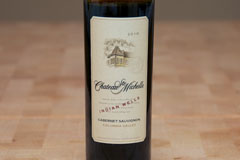
Would you like a quick suggestion for a good wine to drink tonight (or this weekend) that won’t break your budget and is widely available? Many of our readers have said this is something they would like, so here is this week’s selection, the 2010 Chateau Ste. Michelle Indian Wells Cabernet Sauvignon from the Columbia Valley of Washington State.
Our selection criteria include:

  • A very good Quality rating of >=3.5 stars (out of 5)
  • A price tag of <=$20
  • Must be widely available

Chateau Ste. Michelle is Washington State’s founding winery with its roots dating back to the repeal of Prohibition. In 1976, Ste. Michelle built a French-style chateau in Woodinville, just northeast of Seattle. While all of their white wines are made in Woodinville, all of their red wines are made at Canoe Ridge Estate in eastern Washington. The fruit for this Cabernet Sauvignon was predominately sourced from vineyards in the Columbia Valley and Wahluke Slope, including Chateau Ste. Michelle’s Indian Wells Vineyard.

“The Indian Wells Cabernet is our warm climate, ripe, jammy ‘New World’ style of Cabernet Sauvignon. The wine really typifies the Wahluke Slope region with dark fruit aromas and flavors with hints of vanilla. Vineyards in the area are more than a decade old now and showing character and complexity.” –Bob Bertheau, Head Winemaker

2010 Chateau Ste. Michelle Indian Wells Cabernet Sauvignon (Columbia Valley, Washington): 89% Cabernet Sauvignon, 6% Syrah, 3% Malbec, and 2% Cabernet Franc. Deep, dark purplish red in color. Nice nose with chocolate, black fruit, and cinnamon aromas. Blackcurrant, black cherry, chocolate, and leather come through on the palate. Medium to full-bodied with crisp acidity, medium to high tannins, and a long finish.
Quality: 3.5 stars (out of 5)
QPR: 5 bangs for your buck (out of 5)
Where to buy: Received as sample, suggested retail $18; Available elsewhere, $13 to $21


Filed under: A Wine for Tonight, American Wine, Cabernet Sauvignon, Five-Bangs For Your Buck Wines, Red Wine, Washington State Wine, Wines Under $20, Wines Under $25
 

Challenging Wine Pairing: Chicken Milanese Salad


By LaGayle ~ September 19th, 2012

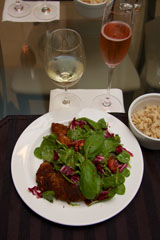
As we enjoy the last days of summer, we decided to have a challenging wine pairing meal that would include light fare paired with refreshing “summer” wines. I prepared a chicken Milanese salad with a lemon Dijon mustard vinaigrette dressing along with a side of Parmesan seasoned pasta.
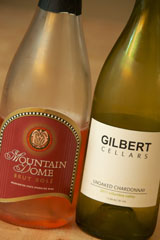
Once the menu was set, our attention turned to selecting the best wines to pair with the meal. We decided to try a sparkling rosé and an unoaked Chardonnay. We selected two Washington wines, the NV Mountain Dome Brut Rosé Sparkling Wine and the 2011 Gilbert Cellars Unoaked Chardonnay.

The meal was even better than anticipated and definitely paired well with both wines. While we all thought that both wines were excellent, the nod for the best pairing with the chicken Milanese salad went to the sparkling rosé. We topped off our dinner with tiramisu ice cream and a ladyfinger for dessert.

What would you have paired with this meal? We would love to hear your thoughts. And, as always, we welcome your suggestions for challenging wine pairings for us to try in the future.

Bon Appétit!

NV Mountain Dome Brut Rosé Sparkling Wine (Washington State): 85% Pinot Noir and 15% Chardonnay. Medium pinkish salmon color. Small, fast bead of bubbles. Very aromatic with raspberry and floral notes on the nose. More raspberry and red cherry comes through on the palate. Dry, medium-bodied, and very crisp. Well-balanced with a long, refreshing finish.
Quality: 4 stars (out of 5)
QPR: 5 bangs for your buck (out of 5)
Where to buy: Total Wine & More (Bellevue, Washington), $17.99; Available elsewhere, $18 to $26

2011 Gilbert Cellars Unoaked Chardonnay (Columbia Valley, Washington): Pale to medium straw yellow. Nice nose with citrus and wet stone aromas. Lemon peel, lime, wet stone, and mineral notes come through on the palate. Dry and medium-bodied with lively acidity. Well-balanced with a long finish.
Quality: 4 stars (out of 5)
QPR: 5 bangs for your buck (out of 5)
Where to buy: Total Wine & More (Bellevue, Washington), $14.99; Available elsewhere, $16 to $18


Filed under: American Wine, Challenging Wine Pairing, Five-Bangs For Your Buck Wines, Food & Wine, Rose Wine, Sparkling Wine, Washington State Wine, White Wine, Wines Under $15, Wines Under $20, Wines Under $25