
True Grit: Champoux Vineyards


By Kori ~ June 6th, 2011

Kori S. Voorhees, our Wine Peeps Editor-in-Chief, is also a regular contributor to Washington Tasting Room Magazine, a quarterly magazine that focuses on Washington State wine with articles about wineries, vineyards, travel, and lifestyle. The following article, written by Kori, appeared in the Winter 2010/2011 issue.
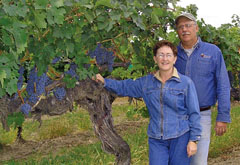
Accustomed to dealing with the forces of nature, Paul Champoux is winning his battle with the West Nile virus with steely determination

Champoux Vineyards is considered to be among the best Cabernet Sauvignon vineyards in Washington State. And while it’s true that Mother Nature ultimately holds the cards in any agricultural game of chance, never underestimate the impact that people like Paul Champoux can have on his vineyard’s site, soil, and plants.

Champoux (pronounced “shampoo”) is a master viticulturist who has developed a philosophy of plant nutrition to help accentuate the flavors, color, and varietal character of the grapes at his Champoux Vineyards.

He has broken the growing season down into the “seasons of the vine” (which are initial growth, reproductive cycle, secondary growth/berry development, lag phase, and veraison/maturation). During each of those different seasons, Champoux applies a different nutritional package of nutrients through the leaves to give the vine what it needs for the upcoming stage.

Winemaker Mike Januik of Januik Winery buys fruit from Champoux every year. “People have this traditional idea of what terroir is, but in the case of Champoux Vineyards, I think that you can almost expand upon that and say that Paul Champoux in a certain way is part of the terroir. It is the uniqueness of Paul’s skills in large part that makes Champoux what it is,” he says.

Early Mercer Ranch

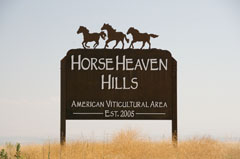
Champoux Vineyards is owned by Paul and Judy Champoux along with four partner wineries, Andrew Will, Powers, Quilceda Creek, and Woodward Canyon. Located in the Horse Heaven Hills AVA in south central Washington State, Champoux Vineyards was originally known as Mercer Ranch. The first seven acres of Cabernet were planted by Don and Linda Mercer in 1972 at the request of Walter Clore, known as the “Father of the Washington wine industry,” who wanted to prove that wine grapes could be grown commercially in the state and fine wines could be made from them.

Paul Champoux became the manager for Mercer Ranch after learning the ropes as a vineyard manager for Ste. Michelle. In fact, he helped plant over 2,000 acres near Paterson in the late 1970’s and early 1980’s and worked with great mentors including Dr. Clore, Dr. Wade Wolfe (now of Thurston Wolfe), and Clay Mackey (now of Chinook Wines).

Paul and Judy Champoux and their partner wineries bought the vineyard in 1996. Winemaker Rick Small of Woodward Canyon recalls, “I’ll never forget when I got the call. I told Paul, ‘Yeah, we would definitely be interested in being a partner.’ Between us all, we got the money together and were able to purchase this incredible Cabernet place.”

Where Cab is King

Cabernet Sauvignon is definitely king at Champoux with nearly 60 percent of the 180-acre vineyard planted to the variety. Winemakers rave over its dark black fruit aromas and flavors, silky tannins, structure, and ability to age well.

Champoux Vineyards has ten other grape varieties planted on 180 acres that include Cabernet Franc, Syrah, Merlot, Lemberger, Petit Verdot, Muscat Canelli, Chardonnay, Riesling, Orange Muscat, and Malbec.

In any given year, over 20 wineries purchase Champoux grapes, with about 16 steadily using its fruit year after year, including partners Andrew Will, Powers, Quilceda Creek, and Woodward Canyon, as well as Fidelitas, Januik, and Sineann.

The fruit is so prized and the vineyard so well respected that Champoux estimates that about 90 percent of the wines made using Champoux grapes are vineyard-designated. “Even after all these years and seeing our name on many, many bottles, we still get excited. It’s quite an honor for us,” says Judy Champoux.

West Nile Virus Attack

But on July 17, 2009, Paul Champoux was dealt the scare of his life. Three days prior, he felt flu-like symptoms and achy muscles and joints. By the 17th, he could not move his arms or legs at all.

It took thirteen days before he was diagnosed with West Nile virus, the result of being bitten by an infected mosquito. After being hospitalized for two months in serious condition, Paul returned home in early September about the time the 2009 harvest started.

Fortunately, Champoux has surrounded himself with good people, including vineyard manager Kevin Laurent and production foreman Hipolito Vargas, who kept the vineyard running smoothly in his absence. Even though he could not physically help with harvest, Champoux was able to stay connected with his managers and winemakers via cell phone from his bed with his wife Judy holding the phone to his ear.

Rick Small describes the story, “Behind all of this incredible recovery that Paul has seen in the last year is his wife Judy. I can’t tell you how important she has been. She was his best friend, his best supporter, and his rally point. The reason Paul is back the way he is right now, and back so motivated and encouraged and so enthused is to a huge point, because of Judy. When we talk about Champoux Vineyards, we talk about it in terms of Paul but it really should be in terms of both of them because they are so much a team.”

With the same focus and determination that he learned playing college baseball at Seattle University and has applied to running his vineyard, Paul Champoux has battled back from this physical setback and is well on his way to a full recovery.

A healthy dose of humor has helped, too. He wears a cap that reads “Damn Mosquitoes” on the front and “Fight the Bite” on the back.

Over a year later, use of his arms is back to about 90 percent and his legs back to about 75 percent. He looks forward to the day when he can walk the vineyard again and shoot hoops with his grandkids.

Endless Possibilities

As passionate as Paul and Judy Champoux are about their vineyard, they are just as passionate about sharing it with others. Unlike most vineyards that discourage visitors for fear they’ll get in the way, the couple opened Chateau Champoux in 2000, offering vineyard tours and wine tastings to the public.

“We wanted to get consumers out in the field so they can see what it takes to grow world-class grapes,” says Champoux. “We bring them out in the vineyard and then bring them inside to taste wine from the block they were just in. You can see their eyes light up.” The tours have been suspended over the last year due to Paul’s prolonged recovery, however they hope to resume them in 2011.

Paul has been an integral part of making Champoux Vineyards the world-class vineyard that it is, and also an example to the national and international wine community of what is possible in Washington State.

As Mike Januik puts it, “If all of the grape growers in Washington even begin to approach what Paul Champoux does, we’d be a much better place as far as grape production and wine production goes. He really is somebody that you can look up to.”

Rick Small further speculates, “I still think that we haven’t made the best wines from there yet.” Given its site, soil, plants, and the focus and strong determination of the people, the possibilities seem endless.


Filed under: American Wine, Vineyards, Washington State Wine, Washington Tasting Room Magazine, Wine Magazines
 

A Wine for Tonight: 2009 Bodegas Ateca Garnacha de Fuego Old Vines


By Kori ~ June 2nd, 2011

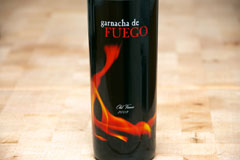
Would you like a quick suggestion for a good wine to drink tonight (or this weekend) that won’t break your budget and is widely available? Many of our readers have said this is something they would like, so here is this week’s selection, the 2009 Bodegas Ateca Garnacha de Fuego Old Vines from the Calatayud DO in Spain.
Our selection criteria include:

  • A very good Quality rating of >=3.5 stars (out of 5)
  • A price tag of <=$15
  • Must be widely available

Bodegas Ateca, founded in 2005, is one of the wineries in the Oro Wines group. Located in the Calatayud DO in Spain, Bodegas Ateca is technically managed by the Australian enologist Sarah Morris who is assisted by winemaker Iwo Jakimowicz. The vineyard is mainly made up of small parcels of old vine Garnacha (Grenache).

“It is ripe cherry. It has an intense nose with predominance of red ripe fruits (raspberry, currant), balsamic sensations and mineral aromas. It is a fruity wine, very fresh and easy to drink that gives the pleasant sensation of savoring a fruity candy.” –Bodegas Ateca

2009 Bodegas Ateca Garnacha de Fuego Old Vines (Calatayud, Spain): Medium-deep ruby red. Aromatic with sour cherry and strawberry on the nose. More cherry and a hint of spice come through on the palate. Medium-bodied and smooth with soft tannins. Well-balanced with a long finish.
Quality: 4 stars (out of 5)
QPR: 5 bangs for your buck (out of 5)
Where to buy: Fred Meyer (Seattle, Washington), $7.99; Available elsewhere, $6 to $13


Filed under: A Wine for Tonight, Five-Bangs For Your Buck Wines, Grenache, Red Wine, Spanish Wine, Wines Under $10, Wines Under $15, Wines Under $20, Wines Under $25
 

Upcoming Events: Iron Vintner, Vintage Walla Walla, and Entwine Auction


By Kori ~ June 1st, 2011

2011 Iron Vintner Challenge (June 8, June 15, June 22, and June 29)
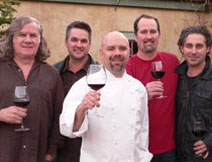
The second annual 2011 Iron Vintner Challenge, hosted by Willows Lodge in Woodinville, Washington, is a month-long culinary competition where local winemakers battle for the title of Iron Vintner. The cooking competitions will take place on three consecutive Wednesdays in June at Willows Lodge and then conclude with a Championship Winemaker Dinner at Barking Frog to benefit Little Bit Therapeutic Riding Center. Participating local Woodinville winemakers include: John Bigelow of JM Cellars, Chris Gorman of Gorman Winery, Chris Sparkman of Sparkman Cellars, and Chris Upchurch of DeLille Cellars.
Each winemaker and their partner will be given a box of products selected by Barking Frog’s Executive Chef Bobby Moore from which to create an appetizer and an entrée in 60 minutes. A panel of celebrity foodie judges will sample the competitors’ dishes and select a winner each week based on presentation, flavor, and creativity.

The 2011 Iron Vintner Challenge schedule:

  • June 8, 5:30–7pm; Preliminary Round 1: Chris Sparkman vs. Chris Gorman, $35 per person
  • June 15, 5:30–7pm; Preliminary Round 2: Chris Upchurch vs. John Bigelow, $35 per person
  • June 22, 5:30–7pm; Championship: Winner of Round 1 vs. Winner of Round 2, $35 per person
  • June 29, 7pm; Championship Dinner at Barking Frog: All participating winemakers attend, $135 per person

For additional information or to make a reservation, visit the Willows Lodge website. I will be in the “Twitter pit” for the Preliminary Round on June 15th. If you are unable to attend, be sure to follow my tweets @winepeeps.

Vintage Walla Walla (June 16-17)
Vintage Walla Walla is an annual event in Walla Walla, Washington, featuring winemaker dinners, a Vintage Pour, and a Summer BBQ. In addition, attendees will also be able to watch five local winemakers compete in the VIKING Master of the Grill competition and enjoy the music of the Dusty 45s, Seattle’s rockabilly, swing, and jump blues band. A portion of the proceeds benefits Seattle Children’s Uncompensated Care Fund in collaboration with the Auction of Washington Wines.

Vintage Walla Walla schedule:

  • June 16, 6-10pm; Private Winemaker Dinners, various locations, $100 per person
  • June 17, 5-6pm; Vintage Tasting at Waters Winery, $65 per person for tasting and BBQ
  • June 17, 6-10pm; Summer BBQ at Waters Winery, $50 per person for BBQ only

For additional information, visit the Walla Walla Valley Wine Alliance website.

Entwine Grand Auction (October 15)
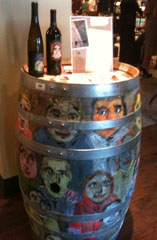
The Entwine Grand Auction brings together the best of the Walla Walla Valley’s wine, food, and art at the Marcus Whitman Hotel in Walla Walla, Washington. The evening kicks off with a silent auction and small bites, followed by a multi-course dinner featuring ingredients from local growers and producers. Some of the featured items in the auction will be unique barrel art. Seven Northwest artists were commissioned to create interpreted works of art from vintage wine barrels.
Recently, the barrel art was on display in Woodinville, and I had the pleasure to attend a media event to get a sneak peek. The barrel art is now on display at wineries in Walla Walla where it will remain until the Entwine Grand Auction in October. Be sure to check it out!

There are many great bottles of wine and wine experiences on the list of auction items as well as a few other non-wine auction lots that sound intriguing like NASCAR Racing Experience for 2, Fighter Pilot for a Day, and a 10-day Holland America Cruise.

For additional information, visit the Entwine Auction website.

I hope you are able to attend one (or all) of these upcoming events. They offer great opportunities to enjoy good wine, food, and entertainment.

Cheers!


Filed under: American Wine, Food & Wine, Washington State Wine, Wine Activities/Events
 

Wine Word of the Week: Enoteca


By Kori ~ May 31st, 2011

This week’s Wine Word of the Week is enoteca.
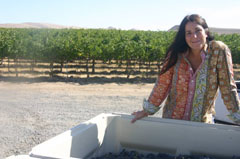
Official definition from Jancis Robinson’s The Oxford Companion to Wine:
Enoteca is a term used frequently in Italy for a wine shop with a significant range of high-quality wines, as opposed to a bottiglieria, a shop with a more pedestrian selection, and a vineria, run by a vinaio, more of a tavern, in which wine is sold by the glass as well as by the bottle. Various enoteche in Italy offer tasting facilities and some serve food to accompany the wines—from the mere appetite-stimulating to the most ambitious haute cuisine. The word comes from the same root as oenotria, the Ancient Greeks’ name for Italy, and theke, Greek for a case or receptacle.

Layman’s terms from Kori:
Enoteca is a wine shop that typically offers tastings and small bites in addition to selling wines. Originating in Italy, the term is now used in other parts of the world as well. An enoteca often focuses on the wines of a particular region.


Filed under: Wine Word of the Week
 

Women of Washington Wine: Rachael Horn of AniChe Cellars


By Kori ~ May 30th, 2011

Today’s post is part of a series featuring the Women of Washington Wine. In an industry once dominated by men, more and more women are joining the ranks as winery owners, vineyard owners, and winemakers. Being a woman myself, I am fascinated by these women and what they have done and continue to do. Through this series, I hope to introduce you to some of the brightest female faces in the Washington wine industry.

Winemaker Rachael Horn and her husband Todd Mera own AniChe Cellars, a small family winery located in Underwood, Washington. Named for Rachael and Todd’s two children, Anais and Che, AniChe Cellars officially opened for business in early May. Their inaugural releases include four white wines from the 2010 vintage and four red wines from the 2009 vintage. Currently, Rachael is the only female winemaker in the Columbia Gorge AVA.
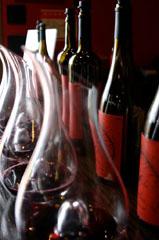
Recently, Rachael was kind enough to take time out of her busy schedule to answer some questions for me and our Wine Peeps readers.

Highlights from Q&A with Rachael Horn:

How did you first get involved in the wine business?
I got involved in the industry through restaurant work. My first job was in fine dining, and I stayed in fine dining most of the time I worked in the hospitality industry. A wine steward position sort of fell into my lap when I was really young, and I remained a wine trainer or steward in most places afterward. I started making my own wine at home and researching winemaking after a guest at a table asked me why I wasn’t making my own wine. “You are so passionate about it,” she said. It was a classic epiphany. That was about 5 years ago, and since then I have attended the WSU Enology Cert program and opened my own winery. I have long been an advocate for blends and obscure varietals, and I have developed a well-exposed palate through years of tasting wines in every country and travel destination that I can.

What were the steps that led to where you are now?
Hmm…steps. More like an escalator. I move fast. Actually the years of restaurant work, 18 or so, really were preparing me for becoming a winemaker without me knowing it! I read whatever I could on winemaking, I picked the brains of the (few) winemakers willing to chat, and I made my own wine. A year later, I realized that I needed deep chemistry knowledge and a truly better understanding of the industry so I signed up for the (wait-listed) Enology Cert program at WSU. I got all of the appropriate licenses through trial and error (lots of both) and made wine in conjunction with the classes I was taking at WSU. I have always had an entrepreneurial spirit; so setting up myself in business without really apprenticing anywhere else was a natural thing for me. Also, I have a family and kids and taking off to apprentice in a winery somewhere else was out of the question. Instead, I developed my own lab and studied wines I purchased in the laboratory. I also created a network of winemakers and academics willing to answer my frantic emails and phone calls with sound and creative advice. I am now at a place where I feel that I can hold my own in the cellar/lab, but I still ask for advice from fellow winemakers.

Has being a woman been an advantage or a disadvantage in your wine journey?
Good question. I should qualify my answer with something first. I am a renewed feminist as a result of my interest in opening a winery. Years of being isolated in work and a social life that sheltered me from the chauvinism that led to feminist ideology made me question the validity of a loud feminist movement; I thought it was a shrill echo of a time when it was real. However, I have to say that this industry has opened my eyes to how far women have yet to come. Winemakers are rarely women in this country. I am the only female winemaker in my AVA [Columbia Gorge]. I read articles about Chilean women winemakers, Italian and French women taking over family traditions, and see our own industry fall behind in progress for women. Unlike most other industries, winemaking has a vast gender divide. I have a few female winemaker friends and many industry female friends who are constantly befuddled by the obvious “maleness” of the industry, and recount the many and profound times they undergo some kind of sexism. Having said this, being a woman has given me the drive to do well and make good wine. I feel like an ambassador of sorts, and I feel like raising the bar, at least in my AVA is something that a woman must do. Besides, although I do not think that women are “better” winemakers, I do believe we have better developed olfactory capacity due to the cultural and physical allowances for emotional attachment to odors. Smells are processed in our limbic system, the emotional center in our brains. I feel that women are better able to name and identify individual odors very well, and my nose is my best tool in the cellar. I also find that approaching women in this industry with fellowship and cooperation has been an advantage for me.

What advice do you have for a woman wanting to get involved in the wine business today?
Cultivate friendships with everyone who is willing to part with information without ego and competitiveness. Read everything you can on the industry, ask for advice from trusted folks, and listen to everything anyone offers about the industry. Then, cull through the bulls*** and trust your instincts. As a winemaker, drink lots and lots of wine and make what you like. Only do what you feel passionately about. Be generous and free with your time and smiles, as they will come back to you!!!

What are your thoughts about the Washington wine industry, in general?
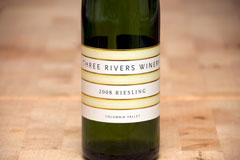
I am deeply proud to be a part of the Washington wine industry. I feel that the fruit is often excellent, and the wines are good. We have a state eager to improve growing conditions, growers willing to learn, adapt, and change their viticulture, and a growing presence in the global market. Our wines are well priced and represent openness to new ventures and varietals. We are nimble and nubile here, able to reinvent without a heavy mantle of expectation. It is so exciting!

In recent years the Washington wine industry has grown at a rapid rate. Do you expect that trend to continue?
I imagine that climate change and shifts in markets will make Washington State a far more competitive force to California wines in the future. And, our wines kick a**.

How do you and your husband, Todd, divide the duties at the winery?
Todd is my man-slave. Cellar rat. Honey-do boy. (Check writer, too, so I have to be nice!) Most of the time Todd helps out on the weekends. I do all of the winery stuff and winemaking during the week (lab stuff, punchdowns, grape sourcing, etc.), and he helps with large projects (like bottling and barrel cleaning, etc.). We talk over all of the major decisions in the winery, and I almost always consult him on winemaking changes. He takes care of the IT stuff for the winery, too. During crush, he is by me doing it all. The rest of the family helps out, too. I am blessed with a good deal of help.

Your wines have unique names like Goat Boy, Atticus, Moth Love, and Tzippy. What is the story behind these names?
I am a failed writer. Many attempts at writing novels have nurtured a fondness for literature nearing the pseudo-worship of celebrities and rock stars. Thus, my wines are named after favorite literary characters. (Atticus is Atticus Finch, Moth Love is Barbara Kingsolver’s “Prodigal Summer”, Tzippy is a Monster in “Where the Wild Things Are” along with Goat Boy, Come and Go is a reference to T.S. Eliot’s “Lovesong of J Alfred Proofrock”, Orlando is from Virginia Woolf’s “Orlando”, and Lizzy is Austen.)

What is your vision for the future of AniChe Cellars?
I would like to be a winery synonymous with excellence. A family affair, around 8,000 cases annually, supporting the family in decent incomes, creating a legacy to pass on to my genetic progeny. I want folks to come visit and walk away feeling welcomed and pleased. Oh! And, I want a cave. (OK…so “vision” isn’t exactly like sitting on Santa’s lap, but this is all true.)

Feel free to share any other thoughts that you believe would be of interest to our readers.
I am a mother of two wonderful children whose futures look dismal at best. I started this winery as part of a plan to create a family business that requires cultivation of vines over time, a sense of tradition and of place. I worry deeply about the legacy we are all leaving our children, such a dreadful mess to clean up. So I am eager to start down the path of sustainable living with the manufacture and selling of wine made with traditional methods that can provide a viable low-impact living for my children in the years to come. AniChe is a hybridization of my children’s names, Ani + Che. Ani is my daughter and is currently enrolled in the WSU Viticulture Certificate program and hopes to begin making wine soon. My son is Che, learning through osmosis. Since we have spent their inheritance on a winery, we figured it was the least we could do to name the winery after them.

Many thanks to Rachael for sharing her story and thoughts with us. I wish her and Todd all the best and look forward to following their work and AniChe Cellars with great interest, and I hope that you will too.

(Photos from AniChe Cellars)


Filed under: American Wine, Interview, Washington State Wine, Women of Washington Wine
 

A Wine for Tonight: 2008 Three Rivers Winery Riesling


By Kori ~ May 26th, 2011

Would you like a quick suggestion for a good wine to drink tonight (or this weekend) that won’t break your budget and is widely available? Many of our readers have said this is something they would like, so here is this week’s selection, the 2008 Three Rivers Winery Riesling from the Columbia Valley of Washington State.
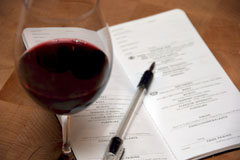
Our selection criteria include:

  • A very good Quality rating of >=3.5 stars (out of 5)
  • A price tag of <=$15
  • Must be widely available

Three Rivers Winery, founded in 1999, is located just west of Walla Walla, Washington. The winery is named for the three most prominent rivers—the Columbia, Snake, and Walla Walla—which feed the vineyards from which it sources grapes. Three Rivers sources fruit from some of the top vineyards in the state including Boushey, Champoux, and Sagemoor, among others. Three Rivers is owned by Foley Family Wines in California and produces 15,000 cases per year. Winemaker Holly Turner, who joined the winery in 2000, oversees all aspects of production.

“Crafted in an off-dry style, our Columbia Valley Riesling is one of our most versatile wines. Luscious notes of pineapple, starfruit, Asian pear and honeyed apple are perfectly balanced by crisp acidity.” –Three Rivers Winery

2008 Three Rivers Winery Riesling (Columbia Valley, Washington): Very pale, straw yellow. Nice nose with floral, petrol, and pencil eraser aromas. Fresh citrus and tropical fruits and orange blossoms come through on the palate. Off-dry and medium-bodied with crisp acidity and a long finish.
Quality: 3.5 stars (out of 5)
QPR: 4 bangs for your buck (out of 5)
Where to Buy: Received as sample, suggested retail $15; Available elsewhere, $20


Filed under: A Wine for Tonight, American Wine, Riesling, Washington State Wine, Wines Under $15, Wines Under $20, Wines Under $25
 

Wine Reviews: What Kind Do You Prefer? (Part I)


By John ~ May 25th, 2011

Besides the obvious desire to find glowing reviews for wines that you like, do you prefer detailed notes that test the English language skills of the critic, only a quick and dirty points (or stars) rating, or something in between? Legendary Washington winemaker Bob Betz says, “Consumers have a 2-point system (not a 100-point), Yum or Yuck.” What about you?

If you already have a definite opinion on this subject, tell us in the comments. If you are not sure what kind of evaluation that you prefer, read the tasting notes and ratings below and then tell us in the comments which style of review that you like best. All of the tasting notes and ratings are for the same wine, which we will disclose in Part II of this post. Let the fun begin:

  1. Ripe in flavor, with a vivid array of black currant, blackberry, violet, black tea and black pepper aromas and flavors that zoom through to a long, expressive finish. Shows subtlety in the layers of complex flavor against a refined structure. Tannins are present but nicely contained. Best from 2010 through 2015.
  2. Deep, dark purple in color and very aromatic. Aromas of blackberry, black cherry, oak, spice, and a hint of cayenne pepper lead to flavors of blackberry, black currant, and chocolate. Full-bodied with good acidity, high tannins, and a very long finish. Well-balanced and extremely smooth.
  3. Scents of tobacco enhance the ripe, lush black fruits, which amply demonstrate the power of Washington grapes. The winemaking is polished, the barrel aging adds vanilla and smoke, and at this new, lower price, it’s a good value as well.
  4. The nose is less fruit forward … and has more of a spice component, particularly cigar box and black licorice. The fruit, particularly blackberry, is layered under the spice. The nose shows light coffee grounds as the wine opens up. This wine, at least initially, has a much bigger body … with black licorice on the taste and beautifully refined tannins that glide across the tongue. Overall, this is a much more tannin driven wine. Needs 2+ years to be at its best. 14.2% alcohol. 5,500 cases produced. After a couple hours of decanting, lots of blackberry and coffee grounds come through. This is a pretty big wine. The finish doesn’t have quite as much as I want which is its only detraction.
  5. 95 points.
  6. Quality: 4.5 stars (out of 5), QPR: 5 bangs for your buck (out of 5).

Now, what do you think? If you like just the rating and not all the verbiage, what rating scale do you prefer? 100 points, 20 points, 5 stars, etc? And do you like to see the QPR as well as the quality rating?


Filed under: Miscellaneous
 

Wine Word of the Week: Spittoon


By Kori ~ May 24th, 2011

This week’s Wine Word of the Week is spittoon.

Official definition from Jancis Robinson’s The Oxford Companion to Wine:
Whatever tasters spit into is a spittoon. These can vary from specially designed giant metal funnels, through wooden cases filled with sawdust, to ice buckets, jugs, or, particularly convenient at a seated tasting, personal plastic or cardboard beakers. Most professional tasting rooms are equipped with channels, or sinks with running water designed to drain away expectorated wine.

Layman’s terms from Kori:
Spittoon is a container or sink into which wine tasters spit. Spittoons are also often referred to as spit buckets or dump buckets. Spittoons are usually provided in tasting rooms and at tasting events.


Filed under: Wine Word of the Week
 

Experience Washington Wine with Shuttle Express


By Kori ~ May 23rd, 2011

For those of you who live near or travel to Seattle, Washington, you are probably familiar with Shuttle Express as the exclusive share-ride provider for SeaTac Airport. What you may not know is that Shuttle Express also has a fleet of luxury vehicles and offers upscale wine tasting tours.

In addition to my continued wine writing here at Wine Peeps and for other wine publications, I am pleased to announce that I am now the Wine Consultant for Shuttle Express. Shuttle Express has been offering wine tours since 2008, but my task is to help improve and expand the wine tour program.

As a champion of Washington wine, I look forward to helping more people Experience Washington Wine! While we plan to expand our offerings to other areas in the future, today our wine tours focus on Woodinville Wine Country. Woodinville is a must-visit destination in Washington wine country. Home of the state’s oldest, largest, and most well-known wineries, Chateau Ste. Michelle and Columbia Winery, the Woodinville area is also home to over 90 wineries and tasting rooms, with new ones opening all of the time. Woodinville now boasts the second largest concentration of Washington wineries after Walla Walla and is located just 17 miles northeast of Seattle. In addition to the many wineries that are actually located in Woodinville, many wineries located in other parts of the state have opened tasting rooms there which now makes Woodinville Wine Country representative of the entire Washington wine industry.

Whether you live in Seattle and are looking for a fun outing or are entertaining out-of-town guests or clients, or you are visiting the Seattle area for vacation or work or to take an Alaskan cruise, we hope you will consider booking a tour to truly Experience Washington Wine with Shuttle Express. Arrange a private tour anytime or enjoy our Saturday public tour to Woodinville. And, rest assured, you will not be touring wine country in an airport shuttle van. Rather, you will be able to relax and enjoy the ride in one of our luxury vehicles, which includes limos, limo vans, and limo coaches with “U” shaped seating, among others.

While we are proud of our current wine tour offerings, we welcome your suggestions and ideas as we expand our wine tour program. What would you like to see offered on the tours? What days and times would you like to see tours available? Which wineries would you like to see as stops on the tours?

For you winery owners and tasting room managers, if you are interested in having your winery be a stop on one of our tours, please let me know. We look forward to partnering with you to make our tours beneficial for all parties involved, wineries, guests, and Shuttle Express.

If you have ideas, questions, or would like further information about the Experience Washington Wine with Shuttle Express tour program, please leave a comment or contact me directly: kori at winepeeps dot com.

For more frequent updates about Shuttle Express, please “like” us on Facebook or follow us on Twitter.

Cheers!


Filed under: American Wine, Announcements, Washington State Wine, Wine Tours, Wine Travel
 

A Wine for Tonight: 2008 Michele Chiarlo Nivole Moscato d’Asti


By Kori ~ May 19th, 2011

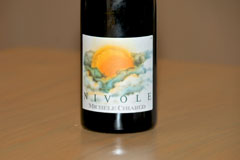
Would you like a quick suggestion for a good wine to drink tonight (or this weekend) that won’t break your budget and is widely available? Many of our readers have said this is something they would like, so here is this week’s selection, the 2008 Michele Chiarlo Nivole Moscato d’Asti from the Piedmont region of Italy.

Our selection criteria include:

  • A very good Quality rating of >=3.5 stars (out of 5)
  • A price tag of <=$15
  • Must be widely available

I’ve told this story before when writing about a previous vintage of this wine, but it’s a good one so I hope you won’t mind if I tell it again. Our first experience with Nivole came by accident. We were dining at one of the premier steakhouses here in Seattle on a special occasion when the server accidentally spilled a bottle of red wine at our table, splattering everywhere, including all over my husband’s pants. After apologizing profusely to Colby, replacing the wine with a fresh bottle, offering to pay for cleaning the pants, and comping us on the meal, the manager had a bottle of Nivole sent to our table as a dessert wine. It hit the spot then and has continued to hit the spot for us since that time.

Coming from a line of seven generations of grape growers, Michele Chiarlo founded his namesake winery in 1956. Today, Mr. Chiarlo is a leading figure in the Piedmont wine industry. Michele Chiarlo is definitely a family business with Mr. Chiarlo’s sons, Alberto and Stefano, now playing key roles. Alberto directs marketing and sales while Stefano manages vineyard operations and serves as co-winemaker.

The name Nivole, which means “clouds” in the Piedmontese dialect, fits the wine’s light, elegant quality. We’ve tasted and reviewed four different vintages of Nivole, the 2004, 2005, 2007, and 2008. We’ve given each an excellent quality rating of 4 stars (out of 5). So even if you can’t find the 2008 where you live, I wouldn’t hesitate to purchase whichever vintage is available.

2008 Michele Chiarlo Nivole Moscato d’Asti (Piedmont, Italy): Pale, greenish straw yellow semi-sparkling wine. Beautiful nose with fresh, sweet aromas of honey, peach, and dried apricot. More honey, peach, and dried apricot as well as Asian pear come through on the palate. Sweet but not sickeningly sweet. Very crisp and refreshing. Well-balanced with a long finish. The perfect dessert wine (with or without any dessert).
Quality: 4 stars (out of 5)
QPR: 5 bangs for your buck (out of 5)
Where to buy: Esquin (Seattle, Washington), $12.99 [375ml], Available elsewhere, $10 to $16


Filed under: A Wine for Tonight, Dessert Wine, Five-Bangs For Your Buck Wines, Italian Wine, Moscato/Muscat, White Wine, Wines Under $15, Wines Under $20, Wines Under $25