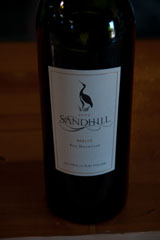
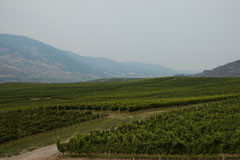
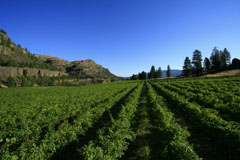
 We recently spent a long weekend in the Okanagan Valley of British Columbia, Canada, relaxing, visiting family friends, and of course, wine tasting. The Okanagan Valley is Canada’s most well-known wine region. Located about 100 miles east of Vancouver, B.C., it is about a six hour drive from Seattle. The Okanagan Valley stretches over 100 kilometers from the United States-Canada border near Osoyoos north to Salmon Arm.
On this particular trip, we spent our time in the South Okanagan around the towns of Osoyoos, Oliver, Penticton, and Naramata. We visited a total of nine wineries and tasted 69 wines. Many of the area wineries boast gorgeous settings overlooking one of three lakes, Osoyoos Lake, Skaha Lake, and Okanagan Lake. For overall wine quality, our best stops were at Inniskillin and Jackson-Triggs. Both Inniskillin and Jackson-Triggs are owned by Vincor Canada, a division of Constellation Brands.
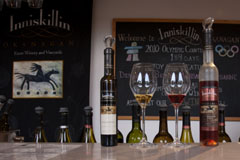 Inniskillin Okanagan was acquired in 1996 by Inniskillin Niagara. Except for the same ownership, Inniskillin Okanagan and Inniskillin Niagara are run as separate entities with their own winemakers and own vineyards. Inniskillin Okanagan uses all B.C. grown grapes and produces about 25,000 cases per year. They make good wines across the board but are particularly well-known for their icewines.
Jackson-Triggs is arguably Canada’s most celebrated winery. Founded in the 1980s by Allan Jackson and Don Triggs, Jackson-Triggs produces between 100,000 and 120,000 cases per year. We would easily recommend all nine of their wines that we tasted but were particularly impressed with their icewines and Shirazes.
The countryside is beautiful, the locals are extremely nice folks, and all nine wineries we visited had well-equipped tasting rooms. Every winery provided a take-home tasting sheet with their wine information on it, most provided water and crackers to cleanse your palate, and a few even provided personal spit cups in addition to dump buckets. In addition to the tasting room amenities, the region itself is very visitor-friendly with excellent wine route signage that points travelers to the local wineries.
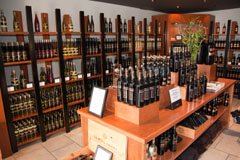 The only downside is that many of the wineries in the Okanagan Valley do not export their wines to the United States. Obviously, you can buy the wine when you visit and bring it home with you (you’ll have to pay some taxes depending on how much you bring back), but you won’t be able to go down the street to your local wine shop and pick up a bottle of your favorite Okanagan Valley wine on a regular basis.
For those of you who live in the Pacific Northwest or are planning to visit, make time to venture north to visit wineries in the Okanagan Valley. You’ll be glad you did.
Here’s a breakdown of the wines that we tasted in the Okanagan Valley. Under each Quality heading, the wine name and region will be listed along with price and QPR rating. Wines in bold type received a QPR rating of 5 bangs for your buck (out of 5).
Quality: 4.5 stars (out of 5)
2007 Jackson-Triggs Grand Reserve Riesling Icewine, Okanagan Valley, $60 [375ml], QPR: 4
2007 Inniskillin Tempranillo Icewine Discovery Series, Okanagan Valley, $99.99 [375ml], QPR: 2
Quality: 4 stars (out of 5)
2006 Township 7 Merlot, Okanagan Valley, $24.99, QPR: 5
2006 Jackson-Triggs Grand Reserve Shiraz, Okanagan Valley, $25.99, QPR: 5
2005 Hester Creek Reserve Merlot, Okanagan Valley, $25.99, QPR: 5
2006 Mistral Cabernet Sauvignon, Okanagan Valley, $29.90, QPR: 5
2006 Lang Vineyards Riesling Farm Reserve, Okanagan Valley, $19.90, QPR: 4
2006 Inniskillin Malbec Discovery Series, Okanagan Valley, $24.99, QPR: 4
2006 Hester Creek Reserve Cabernet Franc, Okanagan Valley, $25.99, QPR: 4
2006 Jackson-Triggs SunRock Vineyard Shiraz, Okanagan Valley, $35, QPR: 4
2008 Gehringer Brothers Minus 9 Ehrenfelser Icewine, Okanagan Valley, $46.99 [375ml], QPR: 4
2007 Inniskillin Vidal Icewine, Okanagan Valley, $52.99 [375ml], QPR: 3
2006 Jackson-Triggs Proprietors’ Reserve Riesling Icewine, Okanagan Valley, $52.99 [375ml], QPR: 3
Quality: 3.5 stars (out of 5)
2006 Tinhorn Creek Merlot, Okanagan Valley, $18.99, QPR: 5
2007 Tinhorn Creek Kerner Icewine, Okanagan Valley, $24.99 [375ml], QPR: 5
2006 Township 7 Cabernet Sauvignon, Okanagan Valley, $25.99, QPR: 5
2007 Tinhorn Creek Cabernet Franc, Okanagan Valley, $17.99, QPR: 4
2006 Jackson-Triggs Proprietors’ Reserve Shiraz, Okanagan Valley, $19.99, QPR: 4
2006 Township 7 Syrah, Okanagan Valley, $24.99, QPR: 4
2005 Hester Creek Reserve Cabernet Sauvignon, Okanagan Valley, $34.99, QPR: 4
2008 Hester Creek Late Harvest Pinot Blanc, Okanagan Valley, $14.99, QPR: 3
2008 Jackson-Triggs Proprietors’ Reserve Rosé, Okanagan Valley, $14.99, QPR: 3
2007 Jackson-Triggs Proprietors’ Reserve Viognier, Okanagan Valley, $15.99, QPR: 3
2008 Hester Creek Semillon Chardonnay, Okanagan Valley, $15.99, QPR: 3
2008 Gehringer Brothers Dry Rock Vineyard Sauvignon Blanc, Okanagan Valley, $15.99, QPR: 3
2006 Inniskillin Chenin Blanc Discovery Series, Okanagan Valley, $16.99, QPR: 3
2007 Lang Vineyards Grand Pinot White, British Columbia, $18.90, QPR: 3
2006 Inniskillin Meritage Single Vineyard Series Dark Horse Estate Vineyard, Okanagan Valley, $24.99, QPR: 3
2007 Gehringer Brothers Riesling Icewine, Okanagan Valley, $46.99 [375ml], QPR: 3
2005 Mistral Grand Reserve, Okanagan Valley, $39.90, QPR: 2
2007 Mistral Gamay Icewine, Similkameen Valley, $54.90 [375ml], QPR: 2
Quality: 3 stars (out of 5)
2007 Gehringer Brothers Late Harvest Riesling, Okanagan Valley, $17.99, QPR: 5
2007 Hester Creek Chardonnay, British Columbia, $13.99, QPR: 4
2007 Gehringer Brothers Dry Rock Vineyard Merlot, Okanagan Valley, $14.99, QPR: 4
2007 Gehringer Brothers Dry Rock Vineyard Cabernet Merlot, Okanagan Valley, $14.99, QPR: 4
2007 Hester Creek Merlot, Okanagan Valley, $16.99, QPR: 4
2006 Lang Vineyards Grand Pinot Red, Okanagan Valley, $19.90, QPR: 4
2008 Gehringer Brothers Optimum Pinot Noir, Okanagan Valley, $20.99, QPR: 4
2006 Inniskillin Cabernet Sauvignon Single Vineyard Series Dark Horse Estate Vineyard, Okanagan Valley, $24.99, QPR: 4
2007 Jackson-Triggs Proprietors’ Reserve Sauvignon Blanc, Okanagan Valley, $13.99, QPR: 3
2008 Gehringer Brothers Private Reserve Pinot Gris, Okanagan Valley, $14.99, QPR: 3
2008 Tinhorn Creek Chardonnay, Okanagan Valley, $17.99, QPR: 3
2007 Jackson-Triggs Grand Reserve White Meritage, Okanagan Valley, $21.99, QPR: 3
2008 Gehringer Brothers Cabernet Franc Icewine, Okanagan Valley, $47.99 [375ml], QPR: 3
2007 Township 7 Rosé, British Columbia, $15.99, QPR: 2
2008 Hester Creek Pinot Gris, Okanagan Valley, $16.99, QPR: 2
2006 Mistral Cabernet Franc, British Columbia, $26.90, QPR: 2
2004 Mistral Merlot, Okanagan Valley, $29.90, QPR: 2
2007 Burrowing Owl Merlot, Okanagan Valley, $30, QPR: 2
2008 Lang Vineyards Marechal Foch, Okanagan Valley, $17.90, QPR: 1
2008 Hester Creek Trebbiano, Okanagan Valley, $18.99, QPR: 1
2007 Township 7 Sauvignon Blanc, Okanagan Valley, $18.99, QPR: 1
2007 Township 7 Gewurztraminer, Okanagan Valley, $18.99, QPR: 1
2006 Lang Vineyards Late Harvest Gewurztraminer, Okanagan Valley, $19.90, QPR: 1
Quality: 2.5 stars (out of 5)
2008 Gehringer Brothers Dry Riesling, Okanagan Valley, $13.99, QPR: NR
2008 Gehringer Brothers Auxerrois, Okanagan Valley, $13.99, QPR: NR
2007 Hester Creek Cabernet Merlot, Okanagan Valley, $15.99, QPR: NR
2008 Tinhorn Creek Pinot Gris, Okanagan Valley, $16.50, QPR: NR
2008 Tinhorn Creek Gewurztraminer, Okanagan Valley, $16.50, QPR: NR
2007 Gehringer Brothers Late Harvest Cabernet Franc, Okanagan Valley, $16.99, QPR: NR
2007 Mistral Viognier, British Columbia, $17.90, QPR: NR
2008 Township 7 Unoaked Chardonnay, Okanagan Valley, $17.99, QPR: NR
2006 Tinhorn Creek Cabernet Merlot, Okanagan Valley, $17.99, QPR: NR
2007 Lang Vineyards Gewurztraminer, British Columbia, $18.90, QPR: NR
2008 Burrowing Owl Pinot Gris, Okanagan Valley, $20, QPR: NR
2006 Lang Vineyards Signature Series Pinot Blanc, Okanagan Valley, $22.90, QPR: NR
2007 Inniskillin Marsanne Roussanne Discovery Series, Okanagan Valley, $24.99, QPR: NR
2007 Burrowing Owl Chardonnay, Okanagan Valley, $25, QPR: NR
Quality: 2 stars (out of 5)
2007 Tinhorn Creek Pinot Noir, Okanagan Valley, $18.99, QPR: NR

 Wine Peeps is an independent wine blog dedicated to helping you get the most bang for your buck in wine. We do this through blind tastings of wine from around the world and calculations of
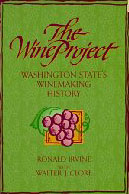 As a student of history as well as Washington wine, it was probably inevitable that I eventually found a copy of this book, The Wine Project—Washington State’s Winemaking History by Ronald Irvine with Walter J. Clore. Ronald Irvine founded Pike and Western Wine Shop in Seattle in 1975. In 1991, he sold his ownership and began working at Vashon Winery, where he is now owner/winemaker. Dr. Walter Clore is generally recognized as the “father†of Washington’s wine industry. This book is basically a compilation of notes and observations that Ron Irvine made as a result of a series of trips he and Dr. Clore took through Washington wine country between 1992 and 1996, reliving its history and visiting with some of its pioneers.

 This week’s Wine Word of the Week is sulfur dioxide.
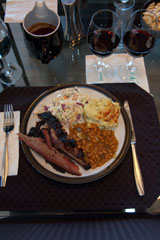 Our host for the August edition of
 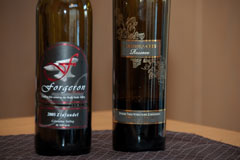 Zinfandel pairs well with almost all grilled meats, whether it is real BBQ, hamburgers, or even hot dogs. For most people, Zinfandel is synonymous with California, and California definitely does Zinfandel well. However, as regular Wine Peeps readers know, we are tireless advocates for Washington State wines so we decided to blind taste two Washington Zinfandels, the 2005 Forgeron and the 2006 Columbia Crest Reserve. Zinfandel acreage is limited in Washington right now, but more and more wineries are attempting to produce at least small amounts of Zinfandel. Both of these wines show the potential for Zinfandel in the state. All four of us enjoyed both wines, but we thought the Forgeron was excellent. Zinfandels can often be high in alcohol but neither of these wines seemed particularly hot. They were both fabulous with Mom’s BBQ because they really stood up to the rich food without overpowering it.
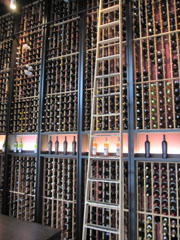 Most Wednesday nights for the past two months have been “date night†for LaGayle and me at a local wine bar. We picked a different one each Wednesday and evaluated them in five different categories: first impression, service, wine, food, and value. It was fun; we met some friendly folks, found some good new wines, and plan to continue “date night†indefinitely. I hope some of you will join us in visiting your local wine bars.
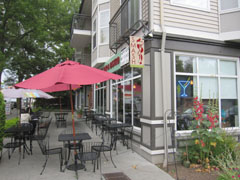 In each of the five categories, here’s our favorite wine bar(s):
 This week’s Wine Word of the Week is yield.
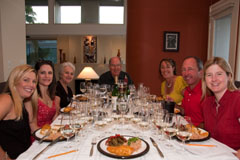 Last Friday evening was another beautiful, sunny, summer evening here in Seattle. It was the perfect night to gather with friends to enjoy a fabulous meal and good wines for one of our monthly
 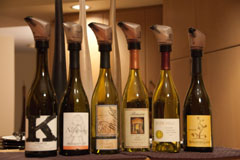 From 1st to last in the group consensus rankings:
 We started the day at The Culinary Institute of America where we enjoyed two keynote addresses focusing on the future of blogging, social media, and wine writing.
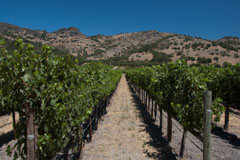 After the keynote addresses, we split up and each bus went to its assigned winery for lunch followed by Napa Green presentations. Napa Green is a voluntary program developed by the Napa Valley Vintners that establishes comprehensive “best practices†in land-use and wine production. Our bus took us to Stag’s Leap Wine Cellars, famous for besting four French Bordeaux in the 1976 Judgment of Paris. Vineyard manager Kirk Grace took us on a vineyard tour and discussed how Stag’s Leap Wine Cellars handles various environmental issues. Come back next Monday for a spotlight on Stag’s Leap including a video of Kirk’s Napa Green presentation.
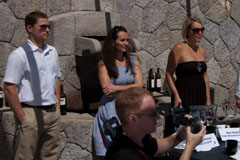 Our next stop was at Palmaz Vineyards for the vintner discussion panel focused on the topic, “Following in the Family Footstomps: An Industry in Transitionâ€. The panel included Florencia Palmaz of Palmaz Vineyards, Alan Viader of Viader Vineyards, and Taylor Bartolucci of Madonna Estate. Each of them are second generation or later in their family’s winery. Ninety-five percent of Napa Valley wineries are family-owned. While the first generation focused more on getting the wineries established and producing quality wines, this generation is focusing more on marketing and sales by utilizing social media, events, and so forth.
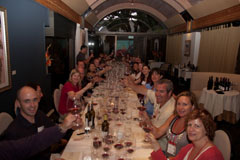 Following the tasting at Quintessa, we boarded the buses again and were taken to different wineries for dinner. Our group enjoyed an amazing dinner at Domaine Chandon including wines from Newton, O’Brien, Louis M. Martini, and Parry. Our dinner menu included sweet white corn soup, roasted beef tenderloin with summer legumes, chanterelle mushrooms and Umbrian black truffle, and was topped off with a Valrhona chocolate pate with summer berries. Each course was paired with one or more wines from the host wineries.
 Recently, we had what turned out to be a Washington Merlot showdown in one of our double blind private tasting dinners pitting the 2005 Whitestone Merlot Lake Roosevelt Shores Vineyard against the 2003 Sandhill Merlot. We all thought that both wines were excellent, but three out of the four of us gave a slight edge to the Whitestone. Nevertheless, both wines represent great buys with QPR ratings of 5 bangs for your buck. For a more complete description of how we set up these private tastings, please refer to