
 Wine Peeps is an independent wine blog dedicated to helping you get the most bang for your buck in wine. We do this through blind tastings of wine from around the world and calculations of
Women of Washington Wine: Karen Wade of Fielding Hills Winery
By Kori ~ September 18th, 2013
Today’s post is part of a series featuring the Women of Washington Wine. In an industry once dominated by men, more and more women are joining the ranks as winery owners, vineyard owners, and winemakers. Being a woman myself, I am fascinated by these women and what they have done and continue to do. Through this series, I hope to introduce you to some of the brightest female faces in the Washington wine industry.
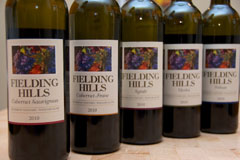
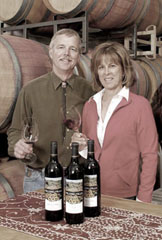 Karen Wade and her husband Mike own and operate Fielding Hills Winery in Wenatchee, which is one of the top wineries in Washington State. They are longtime apple and cherry growers who turned a middle portion of their orchard near Mattawa into a vineyard. Their Riverbend Vineyard, planted in 1997, is in the Wahluke Slope AVA and is their sole source of grapes. Strictly red wine producers, Fielding Hills’ current annual production is 1,400 cases. We have tasted their wines from their inaugural vintage in 2000 through their current 2010 vintage and continue to be impressed. They are so consistent; it is not a question of whether their wines will be good but where they will fall on the quality spectrum between “very good” and “Wow!”
Recently, Karen was kind enough to take time out of her busy schedule to answer some questions for me and our Wine Peeps readers.
Highlights from Q&A with Karen Wade:
How did you first get involved in the wine business?
I guess I became involved in the wine industry by saying “I do” almost 30 years ago to my visionary husband. As his life partner, I held on tight as he fulfilled his dreams of becoming a first class winemaker. We have been a team on this journey, which began with planting our vineyards in 1997.
What were the steps that led to where you are now?
We are fortunate to have a background in both agriculture and business. Our main business is apples and cherries so many of the first steps to begin a winery were different for us. We had the land and basic things like tractors that can be a real challenge in a startup. Owning and growing our own grapes has been a key to our brand. Our first step is to grow the best grapes possible and then never cut any corners in the process of bringing the wine from the dirt to the table.
Has being a woman been an advantage or a disadvantage in your wine journey?
Mike and I have split the business into two parts. He makes the wine, and I handle the sales, marketing, and the business end. I think the industry as a whole is not gender-biased; however, there is a lot of grunt work in the actual production, and there are many things I cannot do just out of sheer strength during the production.
What advice do you have for a woman wanting to get involved in the wine business today?
My advice would be the same if I were talking to a man or woman. If you want to be an owner, go to school to learn how to run a business followed by education in the wine industry through apprenticeship or education. There are a lot of career options in the wine industry from working directly with the grapes in the vineyard to managing a retail business and staff in a tasting room. The industry is young enough in Washington that there are many ground entry opportunities.
 What are your thoughts about the Washington wine industry, in general?
About 4-5 years ago, I predicted that wineries would start selling or closing, and that is exactly what is happening. It is a labor intensive industry encumbered by unique legislation concerning alcohol. It sounds like a romantic business to sit in your vineyard and sip the fruit of your labor, but I think we are seeing many cases of burnout after 5-10 years of production. Making wine involves a lot of grunt work. The industry exploded about 7 years ago and now it is interesting to see who will stay the course. I think the general wine enthusiastic consumer is a winner here with so many great Washington wines at their fingertips. I’m not sure if we will ever gain the worldwide respect we deserve for Washington wines, though. We have the quality to achieve the respect, but it is a different world now from when Napa first stepped onto the scene.
As a side note, we pulled out Red Delicious apples to plant Riverbend Vineyard, which is the single source of grapes for our wines. The Red Delicious apple market was not doing well 15 years ago so we planted wine grapes to diversify agriculturally and to support Mike’s winemaking plans. Today, if we were wearing our apple hat, we would pull out the grapes and plant some of the fabulous boutique apple varieties that are becoming incredibly popular. Don’t worry; we are not going to pull out the grapes, but you may want to watch and see if that starts happening, as there were a lot of grapes planted 10 years ago in Washington. Vines start producing product sooner than a tree, but with wine grapes, you have to wait 1-3 years before you see a return on investment and with tree fruit, once the tree is producing, you can see a return every year.
I understand that you and Mike recently decided to hold your wines longer before release, releasing them three years from vintage rather than two. What does this mean for your customers?
I have had nothing but positive comments about holding our wines for another year. Mike believes our wines are best when consumed 4-7 years from the vintage date. It has been funny to have people thank me for holding them longer so they are not tempted to open them too early.
What is your vision for the future of Fielding Hills Winery?
Mike and I are currently reviewing plans for a tasting room in Lake Chelan. When the bids are done, we will decide if building a “real” tasting room makes sense for us. Our three daughters have grown up in this business and are now in college and graduate school. There is some interest from them in becoming involved. The immediate future is to just keep doing what we are doing, and the long-term is undecided and evolving.
Feel free to share any other thoughts that you believe would be of interest to our readers.
The wine industry is a fascinating business to me. There are so many business plans from wine hobbyists to huge commercial conglomerates. There are not many industries that have such a variety in size. Then add the product variety from someone like us that focuses on only red wine to wineries that have a wide array of unique varieties including sparkling wines and now distilling. Add to that wineries that have events and serve food, and you can soon see why I think it is a fascinating industry. Every winery has a unique story.
—
Many thanks to Karen for sharing her story and thoughts with us. I wish her, Mike, and their family all the best and will continue to follow their work and Fielding Hills Winery with great interest, and I hope that you will too.
Filed under: American Wine, Interview, Washington State Wine, Women of Washington Wine


 Summer is the time of year when we turn our attention to rosé wines. In fact, many wineries only make small quantities of rosé wines to be released during the summer months. Rosé is French for “pink” and is used to describe wines of that color. Rosés are generally made from red grapes; however, unlike typical red wine production, the skins are removed from the juice after only a couple of days. This limited skin contact gives rosé its light pink color and is the reason that rosés are lighter-bodied than most red wines. Rosés can run the gamut from dry to sweet. Too many people think pink wines are all sweet. Not so. For me, the dry rosés are more serious and interesting.
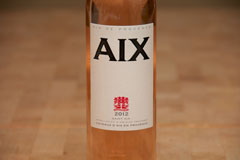 2012 Domaine Saint Aix Rosé (Provence, France): Grenache, Cinsault, and Syrah. Very pale salmon color. Beautiful nose with floral and citrus aromas. Citrus fruit, watermelon, and a touch of spice come through on the palate. Dry and medium-bodied with crisp acidity. Well-balanced with a very long finish.
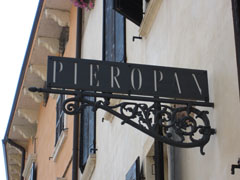 This summer, our family vacationed in Italy. It was my first trip to Italy, a place that had been on my travel bucket list for some time. While this trip was truly a family vacation filled with sightseeing, I’m sure it will come as no surprise that we Wine Peeps worked in some winery visits as well.
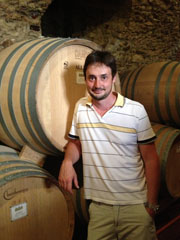 While the majority of Pieropan’s wines are the dry white wine most common in Soave, they also produce a limited-production late harvest Recioto that is dried on traditional bamboo mats, the same mats that were used by its founders over 100 years ago. In fact, Pieropan’s first wine was Recioto, even before they produced a dry Soave. In 1999, the family acquired another winery in Valpolicella and began making red wine in addition to Soave.
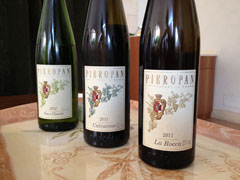 2011 Pieropan Calvarino (Soave Classico DOC, Italy): 70% Garganega and 30% Trebbiano di Soave. Pale, straw yellow. Beautiful nose with floral notes, almond aromas, and minerality. Pear, apricot, apple, and floral notes come through on the palate. Dry and light to medium-bodied with crisp acidity. Well-balanced with a long, fresh finish. A good food wine.
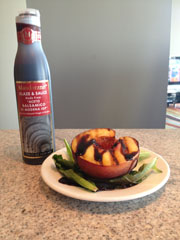 It is always fun to try new food preparations; however, I admit that the simpler the preparation, the more I like it. Having said that, anything that can make a simple dish a little more special is great!
 Since our focus here on Wine Peeps is wine, here are some pairing suggestions for the foods I tried with the balsamic glaze:
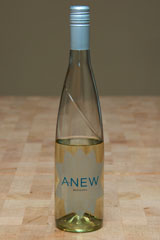 Would you like a quick suggestion for a good wine to drink tonight (or this weekend) that won’t break your budget and is widely available? If so, you might want to check out the 2012 Anew Riesling from the Columbia Valley of Washington State.
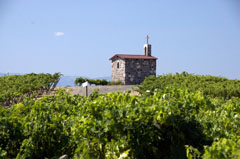 Humble, dedicated, innovative, smart, hard working, ethical, family-oriented, forward thinking…these are some of the words that came to my mind to describe Mike Sauer and the
 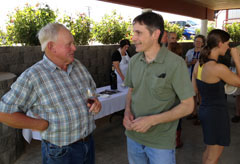 When we made our first trip to Red Willow over five years ago, so that Kori could do research for the first in a
 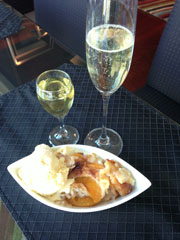 August is the month to think about peaches!!! The fresh peaches available at this time of year are absolutely unbelievable. And, there are so many ways to enjoy them.
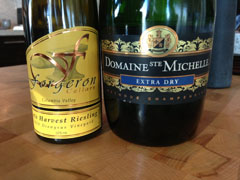 2010 Forgeron Cellars Late Harvest Riesling (Dionysus Vineyard, Columbia Valley, Washington): 100% Riesling. Golden yellow in color. Very aromatic with honey and dried apricot on both the nose and palate. Medium sweet and medium-bodied with lively acidity. Well-balanced with a long finish. Residual Sugar: 13%
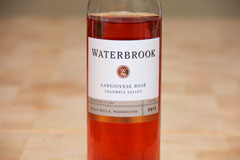 Would you like a quick suggestion for a good wine to drink tonight (or this weekend) that won’t break your budget and is widely available? If so, you might want to check out the 2012 Waterbrook Sangiovese Rosé from the Columbia Valley of Washington State.
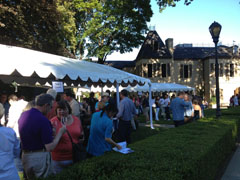 The fourth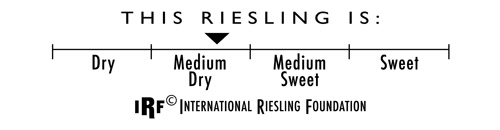
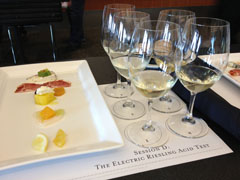 Since I tasted 120+ Rieslings during this three-day Riesling immersion, I’ll spare you a laundry list of all of the wines. However, here are ten wines (listed oldest to youngest) that really grabbed my attention, and I encourage you to give them a try if you have the opportunity.
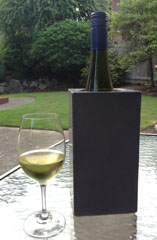 Have you ever wanted an easier way to keep a bottle of wine cold than using an ice bucket? What about keeping a bottle of white wine chilled that you are taking outside for a meal in the backyard? How about keeping a bottle of red wine from getting too warm on a hot summer night?


