
 Wine Peeps is an independent wine blog dedicated to helping you get the most bang for your buck in wine. We do this through blind tastings of wine from around the world and calculations of
Digging into the Cellar for an Amazing Wine Pairing Dinner
By Kori ~ November 26th, 2013
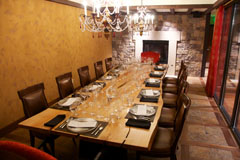 There are as many different types of wine parties as there are wines. Through the years, we have hosted numerous wine parties. Regular readers are familiar with our regular Wine Tasting Dinners and have probably read about our Digging into the Cellar Parties, Tasting Groups, and Open That Bottle Nights.
Recently, we had the opportunity to host a wine party in a beautiful wine cave. Rather than having one of our normal tasting dinners in which we taste six wines of the same variety or type in a blind tasting, we decided to pull some wonderful bottles out of our cellar and pair them with a four course dinner.
Here’s a rundown of the food and wine pairings from the evening to give you some food ideas if you are inclined to host a similar dinner with friends:
Aperitif
As our guests arrived, we greeted them with a glass of bubbly.
2002 Argyle Extended Tirage Sparkling Wine (Willamette Valley, Oregon): 73% Chardonnay, 21% Pinot Noir, and 6% Pinot Meunier. Small, very fast bead of bubbles. Pale, straw yellow. Very aromatic with apple, minerality, and nutty notes on the nose. Apple, pear, and nuts come through on the palate. Dry and medium-bodied with crisp acidity. Well-balanced with a very long, refreshing finish.
Quality: 4.5 stars (out of five)
QPR: 5 bangs for your buck (out of 5)
Where to buy: Total Wine & More (Bellevue, Washington), $59; Available elsewhere, $63 to $75
 Soup
Soup
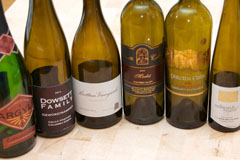
For our first course, we served tomato basil soup paired with Gewurztraminer.
2011 Dowsett Family Winery Gewurztraminer (Celilo Vineyard, Columbia Gorge, Washington): Pale, greenish straw yellow. Nice nose with apple, pear, and lychee aromas. More lychee and pear as well as lemon notes come through on the palate. Dry and medium-bodied with lively acidity. Clean and fresh. Well-balanced with a very long finish.
Quality: 4 stars (out of five)
QPR: 4 bangs for your buck (out of 5)
Where to buy: Winery, $20; Available elsewhere, $16 to $18
Salad
For the salad course, we served a mixed green salad with candied walnuts, dried cranberries, and Gorgonzola tossed with raspberry vinaigrette paired with Pinot Noir.
2009 Brittan Vineyards Basalt Block Pinot Noir (Willamette Valley, Oregon): Deep red. Beautiful with red cherry and strawberry aromas. Strawberry, red cherry, and spice comes through on the palate. Medium to full-bodied with crisp acidity and smooth tannins. Well-balanced with a long, lingering finish.
Quality: 4.5 stars (out of five)
QPR: 5 bangs for your buck (out of 5)
Where to buy: Full Pull Wines (Seattle, Washington), $40; Available elsewhere, $35 to $47
Entrée
For the main course, Mom (LaGayle) prepared prime rib, gratin potatoes with asiago cheese, and braised kale paired with two different wines, Merlot and Cabernet Sauvignon.
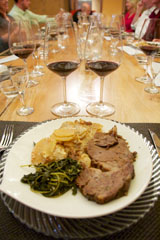 2005 Leonetti Cellar Merlot (Columbia Valley, Washington): 85% Merlot, 8% Cabernet Sauvignon, and 7% Petit Verdot. Deep, dark red. Gorgeous nose with cinnamon and black plum aromas and flavors. Medium to full-bodied with lively acidity and medium to high tannins. Well-balanced with good complexity and a very long, smooth finish.
Quality: 4.5 stars (out of five)
QPR: 3 bangs for your buck (out of 5)
Where to buy: Compass Wines (Anacortes, Washington), $75; Available elsewhere, $80 to $90
2005 Quilceda Creek Columbia Valley Cabernet Sauvignon (Columbia Valley, Washington): 97% Cabernet Sauvignon and 3% Merlot. Dark, dense purple. Nice nose with aromas of blackcurrant, blackberry, earth, and caramel. More black fruit, earth, and licorice come through on the palate. Full-bodied with lively acidity and high, dry tannins. Well-balanced with a very long, silky finish.
Quality: 4.5 stars (out of five)
QPR: 5 bangs for your buck (out of 5)
Where to buy: Winery, $120; Available elsewhere, $190 to $380
Dessert
We topped off the dinner with creme brulee paired with Riesling Ice Wine.
2010 Milbrandt Vineyards The Estates Riesling Ice Wine (Columbia Valley, Washington): Medium gold in color. Very aromatic with honey and apricot on the nose. Honey, apricot, and white peach come through on the palate. Sweet and medium to full-bodied with crisp acidity. Well-balanced with a very long, refreshing finish.
Quality: 4 stars (out of five)
QPR: 5 bangs for your buck (out of 5)
Where to buy: Full Pull Wines (Seattle, Washington), $25 [375ml]; Available elsewhere, $26 to $30
It was a fabulous evening of delicious food, amazing wines, and great friends. Cheers!
Filed under: American Wine, Cabernet Sauvignon, Dessert Wine, Five-Bangs For Your Buck Wines, Food & Wine, Gewurztraminer, Merlot, Oregon Wine, Pinot Noir, Red Wine, Riesling, Sparkling Wine, Washington State Wine, White Wine, Wine Tasting Dinners, Wines Over $25, Wines Under $20, Wines Under $25


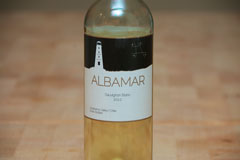 Would you like a quick suggestion for a good wine to drink tonight (or this weekend) that won’t break your budget and is widely available? If so, you might want to check out the 2012 William Cole Vineyards Albamar Sauvignon Blanc from the Casablanca Valley of Chile.
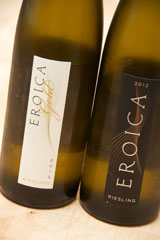 Riesling has become known as Washington State’s signature white variety. Washington is the largest Riesling producing state in the United States. And, Washington State’s own Chateau Ste. Michelle is the largest Riesling producer in the world. While Washington Riesling has been around for many years, the big leap forward came in the late 1990’s when
 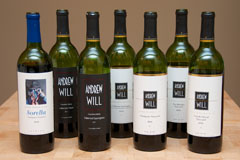 Chris Camarda made his first wines in the basement of his mother’s house on Queen Anne Hill in Seattle, Washington. After spending 20 years in the restaurant industry, Chris had developed a good palate and decided to try his hand at winemaking. He founded
 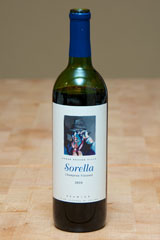 2010 Andrew Will Sorella Red Wine (Champoux Vineyard, Horse Heaven Hills, Washington): 73% Cabernet Sauvignon, 20% Merlot, and 7% Cabernet Franc. Deep, dark purple. Gorgeous nose with black fruit, spice, and coffee aromas. Black cherry, coffee, spice, and a hint of leather come through on the palate. Medium to full-bodied with crisp acidity, and medium to high, velvety tannins. Well-balanced with a very long, smooth finish.
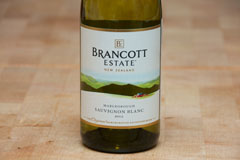 Would you like a quick suggestion for a good wine to drink tonight (or this weekend) that won’t break your budget and is widely available? If so, you might want to check out the 2012 Brancott Estate Sauvignon Blanc from the famed Marlborough region of New Zealand.
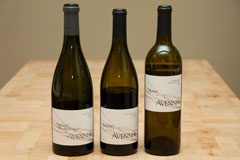 Managing partner Marty Taucher and winemaker/partner Chris Peterson founded
 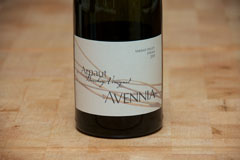 2011 Avennia Arnaut Syrah (Boushey Vineyard, Yakima Valley, Washington): 100% Syrah. Dark, dense purple. Gorgeous nose with earth, black fruit, and spice rack aromas. Blackberry, black cherry, cinnamon, and a touch of smoked meat come through on the palate. Full-bodied with lively acidity and high, silky tannins. Well-balanced with good mouthfeel and a very long, smooth finish.
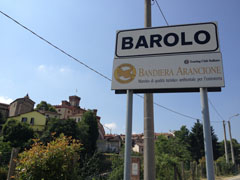 For many years, I’ve heard Barolo referred to as the “King of Wines”; but when I looked at a glass of Barolo, it looked like a wimpy wine because it was light red in color and somewhat transparent. Consequently, I had a hard time getting excited about it, especially when I looked at the price tag on what was touted as a good bottle of Barolo. However, after our trip to Italy’s Piedmont region this past summer, the home of Barolo, I’m now a believer (and I believe that the
 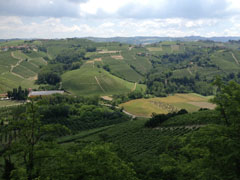 One of the most significant things I learned on our visit was that the Barolo zone consists of production around eleven different communes (towns) with three distinctly different soil types. LaMorra, Cherasco, Roddi, and Verduno area vineyards are in lighter sandy soil and produce less tannic, fruity Barolos. The Barolo and Novello areas consist of a mixture of sand and clay and produce wines with a more harmonic bouquet that are fairly tannic. The soils of Castiglione Falletto, Montforte d’ Alba, Serralunga d’ Alba, Diano d’Alba, and Grizane Cavour are clay and produce the big powerful Barolos that are intense and structured.
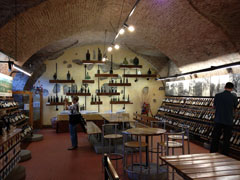 While our resident Wine Peeps food expert, LaGayle, could give you many good pairing suggestions, I noticed on our trip that Italians typically pair their Barolos with meat dishes and heavy pastas. While good entry level Barolos often tip the scales close to $50 per bottle and the best, older vintages, in the hundreds of dollars, Barolos age very well, and many aficionados won’t drink one less than 10 to 15 years old.
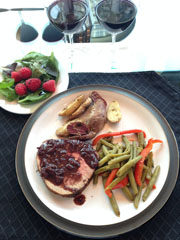 While the roasted eye of round roast was the main course for this
 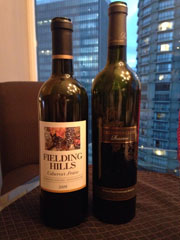 2009 Fielding Hills Cabernet Franc (Riverbend Vineyard, Wahluke Slope, Washington): Deep, dark purple. Nice nose with black cherry and spice aromas. More black cherry and spice as well as herbs and a touch of earth come through on the palate. Full-bodied with crisp acidity and medium to high tannins. Well-balanced and smooth with a long, lingering finish.
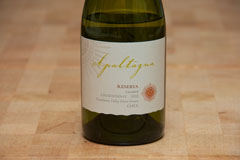 Would you like a quick suggestion for a good wine to drink tonight (or this weekend) that won’t break your budget and is widely available? If so, you might want to check out the 2012 Apaltagua Unoaked Reserva Chardonnay from the Casablanca Valley of Chile.
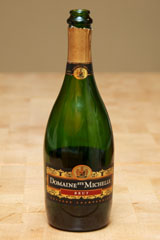 All four of these wines are well above average in quality, give you excellent bang for your buck, and are readily available almost anywhere you go to buy wine. We often buy one or more of these to keep in our hotel room when we are traveling to sip in the evening after a day of sightseeing.