Wine clubs, yes or no?


By John ~ February 15th, 2008

Adopting your favorite winery by joining its wine club and following its vintages year after year is a great way to learn and feel like part of their family. When you join your favorite winery’s wine club, you not only get a first taste of their latest vintages that they send you automatically three or four times a year, but you typically also receive discounts on purchases, free winery facility tours, and invitations to special events. In many clubs, you can also specify whether you want all red wines, all white wines, or some of each.

Taking advantage of these opportunities enables you to get to know the winemaker and feel like a part of the winery’s family. And best of all, you can drop your wine club membership anytime you wish if you find a new favorite winery.

There are also a number of commercial wine clubs not affiliated with a particular winery. They typically advertise that they have special access to uniquely good wines of a particular type, either new wines not in general distribution, a variety of wines from around the world, famous waiting-list wines, and/or premium wines from a particular region. The wines are selected by the club operators and sent to you automatically every month or every other month.

While we’re sure that some wine enthusiasts have found great new wines this way, we don’t believe it’s a very efficient way to find new favorites. You’re at the mercy of a club operator, who may have a financial rather than a fiduciary interest in the wines you receive.

We personally prefer the wine club of a winery whose wines we already know, have performed well in our own blind tastings, and whose new releases we want to access as soon as possible. What are your thoughts/experiences with wine clubs?


Filed under: General Wine Information
 

Wine Blogging Wednesday #42: Just Seven Words


By Kori ~ February 13th, 2008

This month’s Wine Blogging Wednesday is more of a writing challenge than a tasting challenge. Andrew of Spittoon, our February host, asked us to drink any Italian red. That’s easy enough, we thought. But here’s where the tricky part comes in…after drinking that Italian red, he challenged us to review the wine in Just Seven Words.

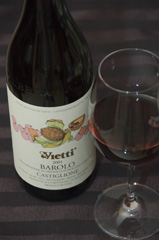
20080213_vietti.jpgFirst things first, the Wine Peeps selected the 2001 Vietti Barolo Castiglione as our subject. Last fall when we were in Orange County, we visited the Wine Exchange and they were touting this wine as great quality for a reasonable price (at that time, it cost $29.99). We really enjoyed it when we tried it there, so we bought another bottle when we got home and had been looking forward to trying it again, this time with a nice meal.

John and I became particularly intrigued with the Piedmont region of Italy, especially with learning more about the Nebbiolo grape, as we were studying for the Certified Specialist of Wine exam last year. Nebbiolo is one of the four most tannic wines in the world; the other three being Cabernet Sauvignon, Syrah, and Tannat. Barolo, produced with 100 percent Nebbiolo grapes, requires a minimum aging period of three years, two of them in barrels. Our interest in Piedmont and Nebbiolo has been piqued even further as we have been reading Vino Italiano for the Wine Book Club. Here’s an excerpt from this wonderful book:

“Nebbiolo is often described as one of Italy’s noble varieties. It is known first and foremost for being fiercely tannic, and yet those gripping tannins are extracted from very thin skins that don’t hold a lot of coloring pigments. …the mark of a good Barolo is not its weight on the palate but the penetrating, perfumy aromas of the nebbiolo grape. … They are wines with a balance of sweet, savory, and spicy elements that tingle on the palate, their aromas like vapors that waft up into your brain and lodge themselves in your memory forever.”

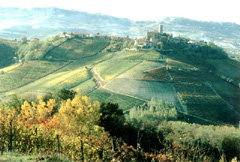
20080213_castiglionefalletto.jpgThe Vietti winery is one of the most well-known wineries in Piedmont. It is located in the tiny village of Castiglione Falletto in the heart of the famous Piedmontese wine region known locally as “The Langhe.”

Over the weekend, the Wine Peeps got together and had this wine with a fabulous dinner prepared by LaGayle. We enjoyed this wine even more with a meal than we had enjoyed it the first time. Barolos are known for their aging potential so to find a 2001 Barolo that is so approachable now is quite remarkable.

Now for the wine writing challenge, here’s my seven word review:
Excellent! A bright, fruity, robust, balanced steal.

2001 Vietti Barolo Castiglione
Quality: 4 stars (out of 5)
QPR: 5 bangs for your buck (out of 5)
Where to buy: WebWine.com (California), $37.25


Filed under: Five-Bangs For Your Buck Wines, Italian Wine, Nebbiolo, Red Wine, Wine Blogging Wednesday, Wine Book Club, Wines Over $25
 

Wine Tasting Dinner: Washington Syrah


By Kori ~ February 11th, 2008

Our February wine tasting dinner last Friday night proved to be an eventful one. The evening began with much anticipation as all we were told by John was that the six wines that we would be tasting were Washington Syrahs that ranged in price from $7 to $70. Given the Wine Peeps love of Australian Shiraz, we were excited to explore more Syrahs from our home state.

Since this was the 57th wine tasting dinner that we’ve hosted, we have gotten the process down pretty well. However, no matter how prepared you are, sometimes things just don’t go as planned. At some point the oven was accidentally turned off during the dinner preparation, a full glass of wine was knocked off the table and spilled onto the off-white carpet, and one of the wines (unfortunately the $70 bottle) turned out to be a bad bottle so we had to make a last minute substitution. Thankfully we had four wonderful friends joining us who are all veterans of our wine tasting dinners, so they were very understanding. Despite all of our false starts, we ended up having a very enjoyable dinner and some good wines. And we’ll all have some great memories to laugh about as we look back on it.

20080211_colcrestshiraz.gifWith four first-place votes, the 2003 Columbia Crest Two Vines Shiraz was the evening’s big winner. And given that it costs $7, it is an amazing deal. I found it very interesting that Columbia Crest calls this particular bottling Shiraz instead of Syrah as most Washington wineries identify this varietal. From the back of the bottle:

“Columbia Crest Shiraz has the concentrated plum and berry flavors, and spicy aromas typical of wines of the same name made ‘down under.’ Our Shiraz is a bold new style of our traditional Syrah building on the quality reputation that Washington has earned for this variety.”

This probably explains why I enjoyed it so much.

Thankfully, except for the bad bottle, there were no duds in the bunch. All of the wines were quite enjoyable. Here’s a rundown of the wines from 1st to last in the group consensus rankings (I have not listed the bad bottle as I do not want to presume that this particular bottle is indicative of the wine’s quality):

2003 Columbia Crest Two Vines Shiraz: Bright with a lot of fruit up front, especially plums. Smooth tannins and a nice long finish.
Quality: 4 stars (out of 5)
QPR: 5 bangs for your buck (out of 5)
Where to buy: MadWine (Washington), $6.99 [2004 is the currently available vintage]; probably can also be found at your local wine outlet

2005 Icicle Ridge Reserve Syrah: Fresh and fruity with distinct vanilla notes. Medium body and a medium finish. A very good wine from this young winery in Peshastin, Washington, near Leavenworth.
Quality: 3.5 stars (out of 5)
QPR: 3 bangs for your buck (out of 5)
Where to buy: Winery, $30

2004 Dunham Cellars Syrah: Smooth with aromas and flavors of dark berries. Well-balanced with a fairly long finish.
Quality: 3.5 stars (out of 5)
QPR: 1 bang for your buck (out of 5)
Where to buy: Compass Wines (Washington), $47.99

2005 Barnard Griffin Syrah
Quality: 3 stars (out of 5)
QPR: 4 bangs for your buck (out of 5)
Price: $14.99

2005 Milbrandt Legacy Syrah
Quality: 3 stars (out of 5)
QPR: 3 bangs for your buck (out of 5)
Price: $23.99

2004 Januik Lewis Vineyard Syrah
Quality: 3 stars (out of 5)
QPR: 2 bangs for your buck (out of 5)
Price: $30


Filed under: American Wine, Five-Bangs For Your Buck Wines, Red Wine, Shiraz/Syrah, Washington State Wine, Wine Tasting Dinners, Wines Over $25, Wines Under $10, Wines Under $15, Wines Under $20, Wines Under $25
 

Tips for visiting wine country


By John ~ February 8th, 2008

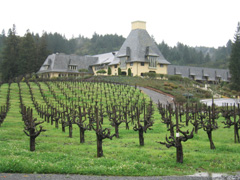
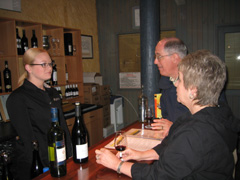
20080208_winery.jpgVisiting wine country is one of my favorite outings. The people are very friendly, the scenery is great, the atmosphere is refreshing, and most of the wine is good, too. However, there are some basic tips that can help you avoid problems and have great memories when you get back home.

Tip #1: Stay sober.
If you plan to visit a number of wineries in one day, learn to spit rather than swallow. Almost all tasting rooms have spittoons (aka dump buckets) for this purpose.

Tip #2: Make notes.
Take good notes of what you like and what you don’t like. Don’t depend on your memory after you’ve visited multiple wineries and tasted several wines at each stop.

Tip #3: No cheese or chocolate while you are tasting wine. Save it for later.
In one of our first wine country trips years ago, we came across a winery where the winemaker insisted that we eat different cheeses with each of the wines we tasted. We were not only impressed with the cheeses, but the wines tasted good, too, so we bought more wine than we should have to bring home. Boy were we surprised when the same wines that tasted so good at the winery with cheese tasted terrible by themselves and finished at or close to the bottom in our blind tastings.

Now, research at UC Davis has validated what we realized after our experience mixing wine and cheese. Reporting on the study, Shan Ross wrote:

“Eating cheese ruins the flavors of wine and makes fine vintages indistinguishable from cheap plonk, research has revealed. While the two are often served together in the belief they make a sophisticated combination, scientists have discovered even expert tasters could not distinguish between wines after eating cheese.”

And I believe that you can virtually ditto the above comments for chocolate.

20080208_tastingroom.jpgTip #4: Be friendly and polite and respect the time of those who work at the winery.
Remember, you are probably not their only visitor today.

Tip #5: Buy only one or two bottles.
When you find a wine you like, just buy a bottle or two to start with, not a case. Then take your favorites home and compare them side-by-side in a blind tasting. Then buy a case or two of your proven favorites.

Tip #6: Don’t put the wines you buy in the trunk of your car.
When do most of us visit wine tasting rooms and go on winery tours? Why, in the heat of the summer, of course. Do you realize how quickly a bottle of wine is ruined by summer heat? I tasted a wine that had spent only six (6) hours in the trunk of a car on a 90 degree day, and it was baked, totally ruined as a drinkable wine. I believe that wineries should sell insulated boxes or coolers that you can use with ice packs, you know the kind that you can squeeze to activate and place on a sprained ankle.

If the wineries you visit and buy from don’t offer this kind of protection for sale, be sure that you make arrangements for it on your own. This is also another good reason that we recommend that you only buy a bottle or two while at the winery instead of cases. At least then if you ruin your wine in the car, it’ll only be a few bottles. But remember, you want to get even the few bottles home safely so that you can compare wines and give the wines a fair chance in a blind tasting.

Follow these tips and I’ll bet that touring wine country will be some of the favorite times of your life. Please share any tips you have for visiting wine country in the comments.


Filed under: General Wine Information, Wine Travel
 

Great sources of Washington wine information


By Kori ~ February 6th, 2008

Washington State is one of the up-and-coming wine regions in the world. Even though it has a relatively young wine industry, Washington already ranks as the 2nd largest wine-producing state in the United States. The number of wineries in Washington has doubled in the last five years, now at over 500. The industry is growing at a remarkable rate and shows no signs of slowing down anytime soon.

The majority of the state’s vineyards are found in eastern Washington. The Cascade Mountains divide Washington into two distinct climatic zones. The west receives significant amounts of rainfall each year while the east is sunny and dry. Due to its latitude and the tilt of the earth’s axis, Washington wine regions actually receive two more hours of sunshine each day than the Napa Valley.

The Wine Peeps have a special affinity for Washington wines since we live in Seattle and our love of wine, in general, was fueled many years ago by a weekend trip to visit wineries in the Columbia Valley. Whether you live in Washington or not, there are two individuals who we believe are invaluable sources of information about Washington wines, Andy Perdue and Paul Gregutt.

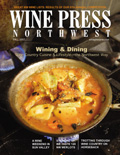
20080206_wpnw.jpgAndy Perdue is editor of Wine Press Northwest, a quarterly magazine that focuses on the wine regions of Washington, Oregon, Idaho, and British Columbia, and author of The Northwest Wine Guide: A Buyer’s Handbook. He also writes a blog, The Wine Knows, that is a must-read for me.

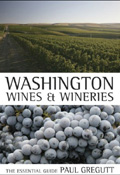
20080206_wawinesbook.jpgPaul Gregutt has been a wine critic and writer since the mid-1980s, specializing in the wines of Washington. He is a wine columnist for a number of newspapers; most notably he is Wine Adviser for the Seattle Times. He is a contributing editor for Wine Enthusiast reviewing Pacific Northwest wines. He is also the author of a terrific new book, Washington Wines and Wineries: The Essential Guide, that was published last fall.

In addition, check out the Washington Wine Commission website for facts, history, winery lists, and much more. They also have a great tool that allows you to plan your own tour of Washington wine country.

And please remember to come back to Wine Peeps as we will continue to include posts about Washington wine.


Filed under: American Wine, General Wine Information, Washington State Wine, Wine Books
 

Long Shadows Wine Dinner


By Kori ~ February 5th, 2008

For Christmas, Colby and I gave Dad (John) a reservation to attend the Long Shadows Wine Dinner at Waterfront Seafood Grill on Pier 70 here in Seattle. And for my birthday in January, Colby gave me a reservation to the same dinner. So last Tuesday Dad and I cashed in on our presents and attended a spectacular evening of wine and food featuring winemaking legends Allen Shoup and John Duval.

Allen Shoup is considered one of the pioneers of the Washington wine industry. He was the CEO of Stimson Lane wine group for years. During that time, he oversaw their portfolio of wineries, including Chateau Ste Michelle and Columbia Crest, and forged relationships with many important players in the wine business around the world. Upon retirement, he pursued his dream of bringing some of the most highly acclaimed winemakers from different regions around the world to Washington to make world-class wines comparable to the wines they make in their native wine regions. The Long Shadows winemaker-partners began crafting their signature wines in 2003.
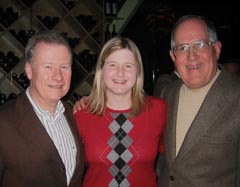
20080205_johnduval2.jpgThe Wine Peeps have been fans of Australian Shiraz for many years. Therefore, we were especially excited to have the opportunity to meet John Duval, one of the most famous winemakers in Australia and around the world. He spent 16 years as the chief winemaker for Penfolds and is best known for his work with Penfolds Grange, Australia’s most famous wine. In 2002 he left Penfolds to establish John Duval Wines. Now he is also one of the Long Shadows winemaker-partners making Sequel Syrah. I have been fortunate enough to taste a number of his wines including Penfolds, John Duval Wines, and now Sequel and they are all fabulous.

Here’s a rundown of the food and wine pairings from Waterfront’s Long Shadows Wine Dinner to give you some food ideas as you enjoy these wines:

Lobster Butter Poached Scallops
Meyer lemons, avocado, cilantro, red chiles
2006 Poet’s Leap

Creamy Polenta Souffle
Oregonzola foam, charred asparagus
2005 Saggi

Braised Pork Belly
Honey, soy, ginger glaze, crispy potato tian, crème fraiche
2004 Chester-Kidder

Duo of Lamb
Creole Mustard Encrusted Lamb—Rosemary jus, syrah jelly
Grilled Lamb—Huckleberry demi-glace
2004 Sequel
2005 Sequel
(My tasting notes for both Sequels are at the end of this post.)

Orange Panna Cotta
Candied orange, crème anglaise
Double Top Secret Late Harvest Riesling

20080205_johnduval1.jpgDuring the dinner, both Allen Shoup and John Duval spoke. Allen spoke first about his background in the wine industry as well as his dream and the founding of Long Shadows. Later John spoke about his winemaking background and then specifically about his work on Sequel. One point that he made about his winemaking style especially stood out to me. I’m paraphrasing as I was not quick enough to jot down his quote word for word. He said that in each wine he makes he strives for elegance, refinement, and structure but doesn’t want to drown the fruit with alcohol or oak. I think that this says a lot and explains why I personally enjoy his wines so much. Also in attendance was Gilles Nicault who collaborates with Allen Shoup on the Chester-Kidder and also serves as the resident winemaker for Long Shadows. He is the one that oversees the day-to-day winemaking operations when the winemaker-partners are not in Washington.

We had the pleasure of speaking with John Duval after dinner. Dad asked him how he would compare his John Duval Wines Entity Shiraz with the Sequel Syrah. He said that comparing wines from different wine regions on opposite sides of the world is difficult. They are definitely different wines but he hoped that we would be able to see his stamp on both. We certainly do!

2004 Sequel: 97% Syrah, 3% Cabernet Sauvignon. Our favorite of the evening from the first sniff and taste. Cherries and black fruits on the nose leads to flavors of black fruits and spice. Excellent fruit, smooth tannins, good acidity, and a long finish. A very well-balanced wine.
Quality: 4.5 stars (out of 5)
QPR: 4 bangs for your buck (out of 5)
Where to buy: Wine Exchange (California), $49.99

2005 Sequel: 96% Syrah, 4% Cabernet Sauvignon. A dense, deep red with aromas and flavors of black cherries and chocolate. This wine really improves with food. Still very young.
Quality: 4 stars (out of 5)
QPR: 3 bangs for your buck (out of 5)
Where to buy: Atlantic Discount Spirits (South Carolina), $58.99


Filed under: American Wine, Australian Wine, Cabernet Sauvignon, Dessert Wine, Red Wine, Riesling, Sangiovese, Shiraz/Syrah, Washington State Wine, White Wine, Wine Activities/Events, Wines Over $25
 

Good wine glasses do make a difference


By John ~ February 1st, 2008

For the best possible wine tasting experience, you want a glass that is large enough so that half-filled it holds a standard serving of wine (1/5 bottle or 150 ml). That means at least a 10 oz. glass, or larger if you prefer. You never want to fill a wine glass more than half-full (1/3 full is even better when you are evaluating wines) because you want to be able the swirl the glass gently without spilling any wine.

A tasting glass should be clear, uncolored, stemmed, and tulip-shaped (meaning a larger bowl than top rim). They call these glasses stemware because they should be held in your fingers by the stem, so your hand does not touch the bowl and affect the temperature of the wine in the glass. Most important, all glasses used in a tasting should be identical.

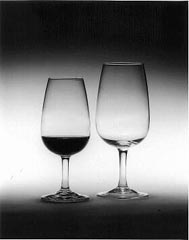
20080201_viticoleglasses.jpgIf you plan to host wine tasting dinners, we would recommend that you buy a couple cases of Viticole Tasting Glasses made to INAO standards. They are good all-purpose glasses, reasonably priced, and dishwasher safe ($3.00-$3.50 per stem from Marjorie Lumm Glassware, #9910 in her catalog). Two cases will allow for eight tasters to taste six wines each without having to wash any glasses.

Because wine glasses can pick up odors from their surroundings, stemware should be carefully cleaned and stored. Non-perfumed detergents should be used. Once the glasses have been cleaned and dried, it is preferable to store them upright to limit odor contamination on the inside of the glass, although hanging glasses upside down can make it easier to pick up a glass without getting fingerprints on the bowl.

If you have some truly collectible wines, you might consider buying a few Riedel crystal glasses. After all, if you can afford a $400+ bottle of wine, what’s another $75 for the ultimate wine tasting experience?

While Riedel will be happy to sell you a different expensive crystal glass for almost every wine type, in the typical wine-consuming home you can get by just fine with just two glasses per person, a flute for sparkling wines and one large all-purpose wine glass for everything without bubbles.


Filed under: General Wine Information, Wine Gifts/Accessories
 

Great Value Wines


By Kori ~ January 30th, 2008

Last Friday evening, John and I attended the Great Value Wines program at Central Washington University led by noted wine industry professional Amy Mumma. It was one of the consumer courses offered through CWU’s World Wine Program. If you live in Washington state, these consumer short courses are well worth checking out.

The objective of this course was to identify wines that over deliver in quality for the price. For those of us that drink wine virtually every day, it is not economical (nor necessary) to spend $20 or $30 per bottle for everyday wines. The key is to determine varietals and styles that you enjoy, from brands that you can trust for consistency, at prices that you can afford on a daily basis, and that can be easily found at your local wine outlet.

We tasted seven wines, four white and three red. As John mentioned in his Most folks want a good deal post, two of the red wines were Mystery Merlots that we tasted blind, only being told that one cost twice as much as the other. We knew the identities of all of the others when we tasted them.

Here’s a rundown of the wines that we tasted in my personal order of preference:

Reds:

2005 Concannon Cabernet Sauvignon – Central Coast: An opaque purple with aromas of licorice and earth but not a lot of fruit. More fruit, especially black fruits (plums, blackberries), comes through on the palate than on the nose. Good acidity, not much oak, and a nice long finish.
Quality: 4 stars (out of 5)
QPR: 5 bangs for your buck (out of 5)
Price: $10.00

2005 Columbia Crest Grand Estates Merlot: Pleasant aromas of chocolate and cherry. Fruit-forward, smooth, and well-balanced.
Quality: 4 stars (out of 5)
QPR: 5 bangs for your buck (out of 5)
Price: $9.00

2003 Canoe Ridge Merlot
Quality: 3.5 stars (out of 5)
QPR: 3 bangs for your buck (out of 5)
Price: $18.00

Whites:

2006 Louis Jadot Macon-Villages AC (Chardonnay): Pear, apple, and a bit of minerality on the nose. Citrus fruits come through in the taste. Oak is not overpowering. Some acidity, moderate alcohol, and medium body.
Quality: 3 stars (out of 5)
QPR: 5 bangs for your buck (out of 5)
Price: $12.00

2004 Rancho Zabaco Russian River Valley Reserve Sauvignon Blanc
Quality: 3 stars (out of 5)
QPR: 4 bangs for your buck (out of 5)
Price: $11.00

2005 Voga Italia Pinot Grigio delle Venezie IGT
Quality: 3 stars (out of 5)
QPR: 4 bangs for your buck (out of 5)
Price: $9.00

2006 La Crema Sonoma Coast Chardonnay
Quality: 1 star (out of 5)
QPR: NR (not recommended)
[Note: I am personally not a fan of very buttery and oaky Chardonnays. Therefore, I found this wine almost undrinkable. However, if you do like that style, this could be a wine for you. A number of people attending the course really enjoyed it.]
Price: $14.00

We have found that it is important to identify brands that you can count on for your everyday wines [see You can buy great value wines for under $20 (some under $10)]. For example, since I really enjoyed the Concannon Cab, I’ll be looking to try other varietals from Concannon. I have been a fan of Columbia Crest wines for years and I know that this holds true for them. Their wines across the board are made in a style that I enjoy.

I am interested to hear your thoughts on any of these wines as well as recommendations of great value wines that you have found.


Filed under: American Wine, Cabernet Sauvignon, California Wine, Chardonnay, Five-Bangs For Your Buck Wines, French Wine, Italian Wine, Merlot, Pinot Grigio/Pinot Gris, Red Wine, Sauvignon Blanc, Washington State Wine, White Wine, Wines NOT To Buy (1 & 2 Star), Wines Under $10, Wines Under $15, Wines Under $20, Wines Under $25
 

WBW: #41 Roundup, #42 Theme, and Logo Contest


By Kori ~ January 27th, 2008

The January edition of Wine Blogging Wednesday focused on white wines from Friuli-Venezia Giulia in Northeast Italy (see our Friuli post). Jack and Joanne of Fork & Bottle, the hosts for WBW #41, have posted the roundup of tasting notes from 40+ participants. The experiences and reviews ran the gamut on these hard-to-find wines. No matter your experience thus far with Friuli whites, you can glean a lot of valuable info about the region’s wines by reading these reviews which have been broken down by varietal.

Switching gears from white to red, Andrew Barrow of Spittoon is hosting WBW #42 and is asking us to drink any Italian red. Here’s the kicker though…the theme is Just Seven Words. That’s right, taste your Italian red wine and then post your tasting notes in just seven words (not including the wine name and other pertinent data) on Wednesday, February 13.

And finally, Wine Blogging Wednesday has announced a contest to design a new logo. Visit the WBW website for more information or submit your logo idea via email to winebloggingwednesday@gmail.com on or before March 31.


Filed under: Italian Wine, Red Wine, White Wine, Wine Blogging Wednesday
 

Most folks want a good deal!


By John ~ January 26th, 2008

As a mathematician, engineer, investments researcher, and wine blogger, I was not impressed with the recent CalTech study utilizing 21 “volunteers” and measuring their brain waves as they sampled wines. The whole study design seemed a little bogus to me. And it’s certainly not new news that there are people who are impressed by fancy labels and high prices.

20080126_gooddeal.jpgWhile I’m not surprised that people in the study got “excited” when they thought they were drinking a wine that was good, the majority of the people I know get even more excited when they find a really good deal, whether it’s on a new car, a watch, or a bottle of wine. That fact was validated for me once again last evening when I attended a wine tasting program at Central Washington University led by noted wine industry professional Amy Mumma. Among the wines we tasted, we had two Mystery Merlots that we tasted blind, knowing only that one had a price tag twice the other one. After tasting both and voting on our favorite, it was revealed that the crowd favorite was a $9 bottle.

I wish that we had all been hooked to CalTech’s MRI when that fact was announced because the room was really excited. As Dr. Debs said in her response to the CalTech study, “My brain must be wired funny, because I get the biggest tingle in my ‘rewards center’ when I drink great wine and discover it only cost $8. Maybe I need a good electrician.” I guess many of us needed a good electrician last night too.

The moral of the story: Blind tasting is the only way to judge wine purely on its merits because it takes price and label out of the equation. And in my opinion, when a blind tasting reveals a really good deal, you have the ultimate high in wine tasting. That’s why we at Wine Peeps do all of our tastings blind and then rate the wines we taste both on Quality as well as value (QPR). This process helps us become smarter wine consumers, getting us excited as we find good deals.


Filed under: General Wine Information